
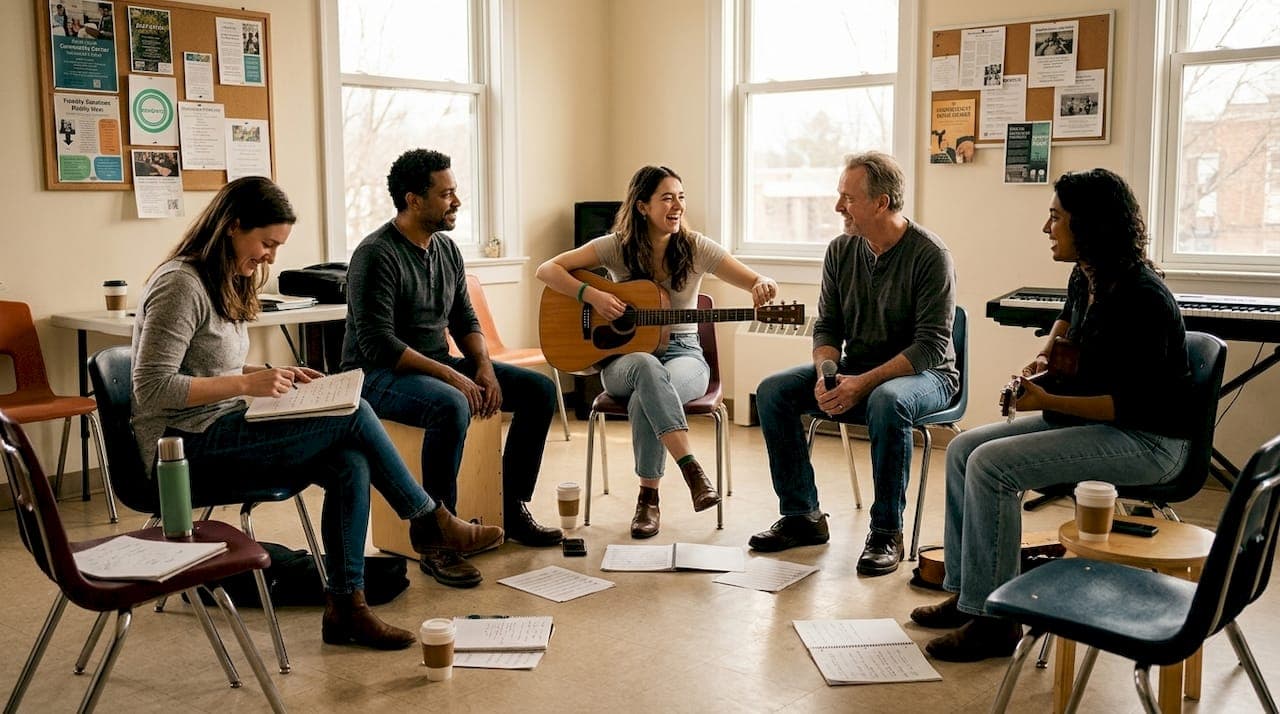
Finding musicians who share your passion and want to jam regularly can feel impossible. You scroll through social media, ask around at local venues, and still struggle to build a consistent group that shows up and engages. Many talented players remain isolated, missing out on the creative energy and growth that comes from collaborative music making. This guide walks you through the complete music community building process, from defining your goals and attracting members to sustaining momentum and measuring success, so you can create a thriving local jam scene that keeps musicians coming back.
Table of Contents
- Key takeaways
- Preparing to build your music community
- Executing effective outreach and event programming
- Fostering belonging and sustaining growth
- Measuring success and adapting your approach
- How JamClub supports your community building journey
- Frequently asked questions
Key Takeaways
| Point | Details |
|---|---|
| Consistent themed jams | Consistency and themed programming drive engagement and make sessions memorable, boosting attendance and loyalty. |
| Targeted outreach | Personalized outreach to musicians whose interests match your jam format increases turnout and attracts compatible players. |
| Regular scheduling cadence | Establish a regular cadence such as monthly or biweekly to build momentum and give members time to prepare. |
| Hybrid online offline tools | Using a mix of online coordination and offline events strengthens community bonds and reduces missed updates. |
| Referrals and renewals growth | Focusing on renewals and referrals through memorable experiences fuels sustained growth. |
Preparing to build your music community
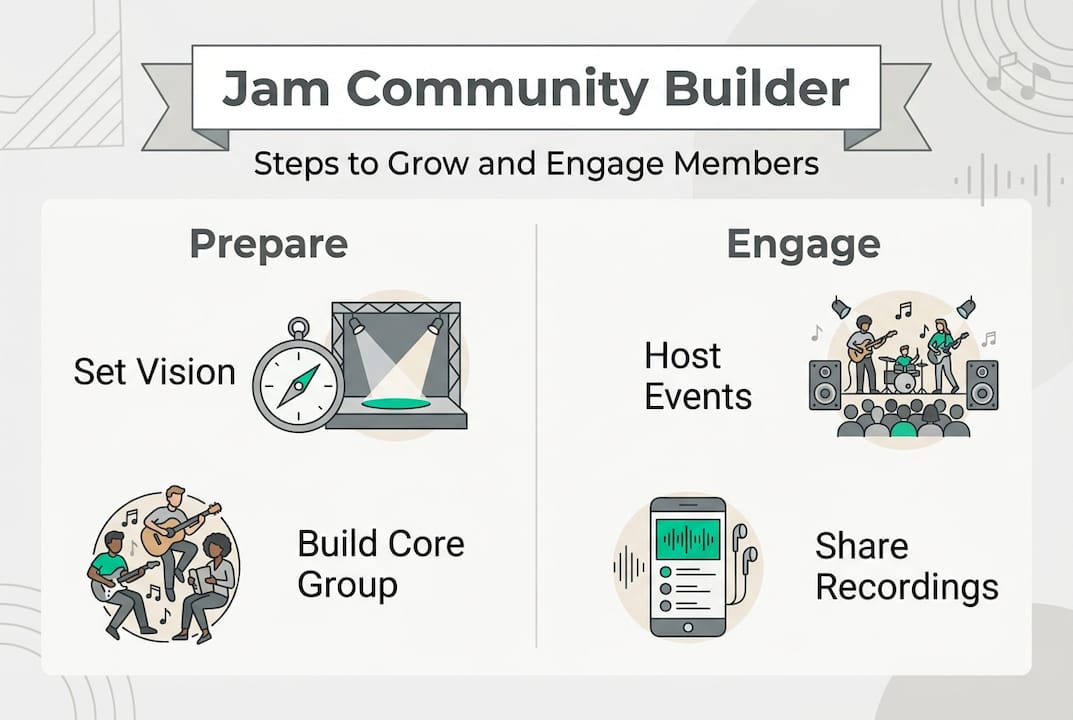
Before you host your first jam session, you need a clear vision and the right foundation. Start by defining what you want your community to achieve. Are you focused on social networking where musicians meet and connect casually? Do you want to emphasize collaboration on original projects and band formation? Or are you building a space for skill development where players learn from each other? Your answer shapes everything from event format to promotional messaging.
Identify local musicians and venues willing to participate. Reach out to music stores, rehearsal spaces, cafes with performance areas, and community centers. Many venues welcome regular events that bring foot traffic and energy. Scout musicians through online directories, local music schools, and existing social media groups. Building a core group of five to ten committed players gives you momentum to attract others.
Choose your communication and scheduling tools carefully. You need a platform where members can coordinate attendance, share recordings, and stay connected between events. JamClub offers find and create jam sessions features that handle RSVP management, real-time messaging, and event discovery in one place. Alternatively, combine a group chat app with a shared calendar, but fragmented tools often lead to missed updates and lower turnout.
Plan a regular schedule that builds consistency. Consistency builds loyalty and experiential programming outperforms ads according to successful community organizers. Monthly or bi-weekly gatherings work best for most groups, giving members time to prepare while maintaining momentum. Avoid sporadic scheduling, which makes it hard for people to prioritize your events.
Include themed or experiential programming from the start. Generic open jams can feel directionless. Try blues night, jazz standards exploration, songwriter circles, or genre fusion experiments. Themes give participants a reason to attend specific sessions and create memorable experiences that people talk about.
Pro Tip: Survey your initial core group about their availability and musical interests before locking in a schedule. A jam time that works for your founding members ensures strong early attendance, which attracts newcomers who see an active, engaged community.
Executing effective outreach and event programming
With your foundation in place, focus on attracting members and delivering compelling jam experiences. Use direct outreach through musician directories and social media to invite attendees personally. Generic public posts get lost in feeds. Instead, message individuals whose profiles show compatible interests and skill levels. Mention specific details about your jam format and what makes it unique.
Create themed jam nights or co-creative events that stand out. Membership doubled in 12 months via experiential programming, directory outreach, consistent scheduling, and renewals/referrals for communities that prioritize memorable experiences. Host songwriter showcases where members debut original material, tribute nights celebrating specific artists, or collaborative recording sessions that produce shareable content. These formats give people stories to tell and reasons to return.
Set a consistent schedule and promote events with reminders. Send a notification one week before each jam, then another the day before. Include any preparation suggestions, like bringing specific instruments or reviewing certain songs. Consistency trains members to block time in their calendars, while reminders capture those who genuinely want to attend but forget.
Leverage recordings to share highlights and showcase community vibrancy online. Short video clips from jam sessions demonstrate the energy and talent in your group. Post these to social channels and community pages, tagging participants when appropriate. Quality recordings attract musicians who want to join a group that sounds good and has fun together. You can report jam sessions to increase visibility and help others discover your events.
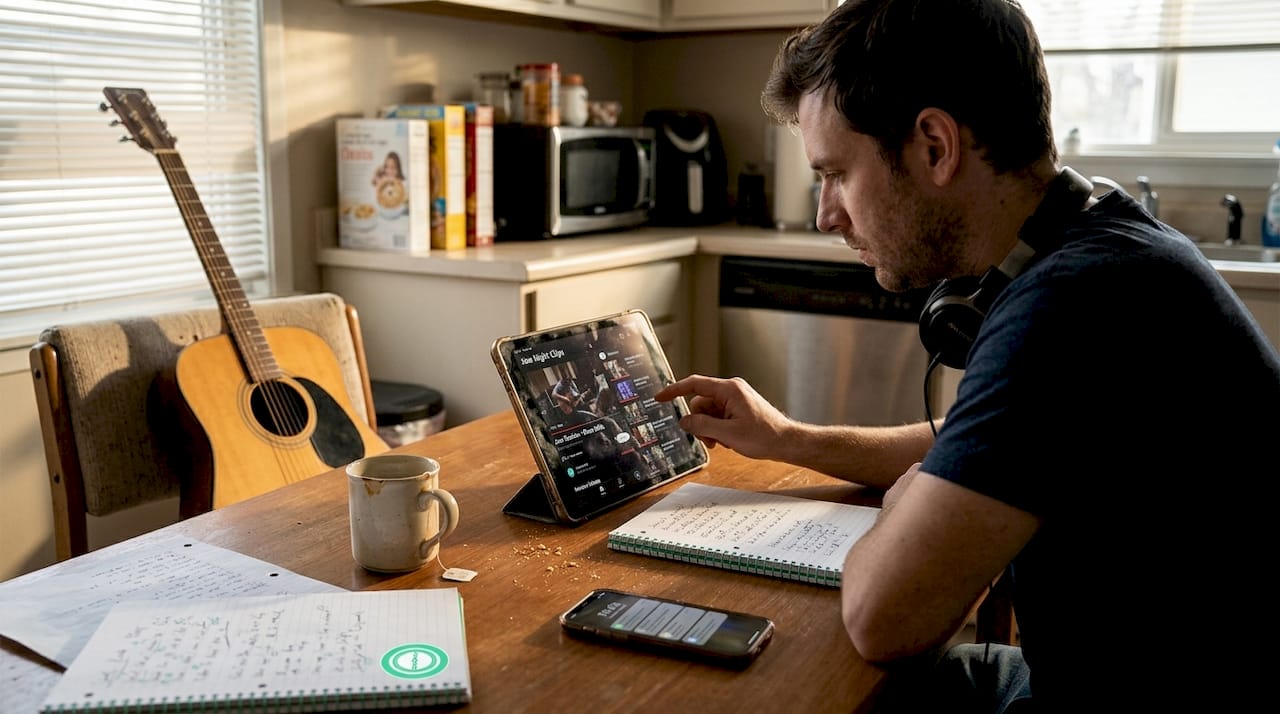
Encourage renewals and referrals by rewarding active members. Recognize regular attendees publicly, give them opportunities to lead specific segments, or offer small perks like priority song selection. Ask satisfied members to invite friends who might fit the community. Personal invitations from trusted peers convert better than any advertisement.
Follow these steps to maximize your outreach impact:
- Identify 20 to 30 potential members through local musician networks and online profiles
- Send personalized invitations explaining your jam's unique angle and schedule
- Create a compelling first event with a clear theme and structured format
- Capture photos and short performance clips to share afterward
- Follow up with attendees individually, thanking them and previewing the next session
- Ask early supporters to bring one friend to the second or third event
Pro Tip: Partner with one local music store or venue as your official host location. This relationship provides legitimacy, consistent space, and access to their customer base for promotion. Offer to mention them in all your communications and social posts.
Browse jam sessions near you to see how other organizers structure their events and gather ideas for your own programming.
Fostering belonging and sustaining growth
Once your jam sessions are running, shift focus to deepening relationships and maintaining momentum. Create communal rituals and shared goals that enhance group identity. Start each session with a quick check-in where members share what they've been working on musically. End with a group reflection on highlights from the night. These small rituals build continuity and make people feel heard.
Foster belonging via communal activities and blend online/offline growth for hybrid community development according to organizers who scaled successfully. Use hybrid models combining in-person jams with online forums and event recaps. Create a private group where members post practice recordings, ask technical questions, and coordinate side projects between sessions. This keeps the community active during gaps and strengthens bonds beyond physical events.
Monitor community health through renewal rates and referral patterns to adjust strategies. Track how many first-time attendees return for a second session, and how many become regulars attending half or more of your events. If renewal rates drop below 40%, investigate whether scheduling, format, or interpersonal dynamics need adjustment. Strong referral patterns indicate members value the experience enough to stake their reputation on it.
Address common challenges like burnout by rotating leadership and varying programming. If you organize everything yourself, fatigue sets in quickly. Invite experienced members to host specific themed nights or lead warm-up exercises. Rotation distributes effort and gives people ownership, increasing their investment in the community's success.
Build partnerships with local venues and artists to sustain momentum and visibility. Collaborate with established musicians for occasional guest appearances or workshops. These events attract new members curious about learning from recognized talent while adding prestige to your community. Venue partnerships can evolve into co-promoted concerts or showcases featuring your jam participants.
You can explore how musicians unlock creativity with collaboration to understand the deeper benefits your community provides beyond just playing together.
Consider these strategies to deepen engagement:
- Launch a monthly challenge where members learn and perform a new song together
- Create a shared songbook or playlist that reflects your community's musical identity
- Organize occasional field trips to concerts or festivals as a group
- Celebrate member milestones like first performances or completed original songs
- Establish a mentorship pairing system matching experienced players with beginners
Discover more about JamClub's jam session platform features that support ongoing community management and member engagement.
Measuring success and adapting your approach
To ensure your community thrives long term, establish clear metrics and feedback systems. Key indicators include repeat attendance percentage, referral counts, membership growth rate, and event turnout. Benchmark successful communities with repeat attendance above 50% and referral-driven growth doubling membership in a year as targets for your own progress.
Compare different outreach and engagement approaches to identify what works best. If themed nights consistently draw larger crowds than open jams, prioritize themes. If social media posts generate minimal response but personal texts yield high turnout, adjust your communication strategy accordingly. Track which promotional channels and event formats produce the strongest results.
| Metric | Healthy Range | Warning Signs |
|---|---|---|
| Repeat attendance rate | 50% or higher | Below 40% suggests poor experience or fit |
| New member growth | 3-5 per month | Stagnant numbers indicate outreach gaps |
| Referral percentage | 30%+ of new attendees | Low referrals mean members aren't enthusiastic |
| Average session size | 8-15 participants | Consistent decline signals deeper issues |
| Member retention at 6 months | 60%+ still active | High churn requires format or culture review |
Recognize and address signs of stagnation or declining participation early. Shrinking attendance, fewer new faces, or reduced energy during sessions all signal problems. Common causes include repetitive programming, cliquish dynamics that exclude newcomers, inconvenient scheduling, or lack of skill level diversity. Survey members anonymously to uncover honest feedback about what needs improvement.
Follow a structured feedback loop to continuously improve:
- Collect member input through brief surveys or casual conversations after sessions
- Identify the top two or three improvement opportunities based on feedback patterns
- Test new formats, times, or activities addressing those opportunities
- Measure results over three to four sessions to assess impact
- Refine your approach based on what worked and what didn't
- Share changes and results transparently with the community
Celebrate milestones publicly to build confidence and loyalty. When you hit 25 members, 50 total jam sessions, or your first year anniversary, acknowledge these achievements. Share success stories of bands formed, skills developed, or friendships built through the community. Public celebration reinforces that members are part of something meaningful and growing.
Use track jam session success tools to monitor your community's health metrics and share your growing impact with potential new members.
How JamClub supports your community building journey
Building a thriving music community takes consistent effort, smart tools, and genuine connection. JamClub streamlines the logistics so you can focus on the music and relationships. The platform helps you discover local musicians, create and manage jam sessions with RSVP tracking, and coordinate through real-time messaging. Whether you're starting your first jam or growing an established community, JamClub's jam session platform features handle scheduling, communication, and member management in one place.
Reporting tools let you track attendance patterns, measure engagement, and identify growth opportunities. Share your sessions publicly to attract new members or keep them private for your core group. The jam session reporting tools provide insights that help you understand what's working and where to adjust. Ready to bring musicians together? Create a jam session today and start building the collaborative music community you've been looking for.
Frequently asked questions
What are the key stages in starting a local jam community?
Begin by defining your community's purpose and identifying five to ten core musicians willing to commit. Secure a consistent venue and schedule, then launch with a themed first event that showcases your vision. After three to four sessions, evaluate what's working and adjust format, timing, or outreach based on member feedback and attendance patterns.
How often should jam sessions meet to maintain member interest?
Bi-weekly or monthly schedules work best for most communities, balancing consistency with members' other commitments. Weekly sessions can lead to burnout unless you have a large rotating membership. Avoid gaps longer than six weeks, which cause momentum loss and make it harder for people to prioritize your events in their calendars.
How do I attract musicians of different skill levels?
Create explicit programming for mixed abilities, like beginner-friendly songs, mentorship pairings, or rotating difficulty levels across sessions. Emphasize learning and collaboration over performance perfection in your messaging. When experienced players see opportunities to teach and beginners feel welcomed rather than judged, both groups find value and stick around.
What are common pitfalls when building a music community?
Inconsistent scheduling kills momentum faster than anything else. Cliquish behavior that excludes newcomers prevents growth. Repetitive programming without fresh themes or challenges leads to boredom. Organizer burnout from doing everything alone causes communities to collapse. Address these by maintaining regular sessions, actively welcoming new members, varying your format, and distributing leadership responsibilities.
How do I measure community success beyond attendance numbers?
Track repeat attendance rates, referral percentages, and member retention at three and six months. Monitor qualitative indicators like bands formed, collaborative projects launched, and skill improvements members report. Survey participants about their sense of belonging and whether they'd recommend your community to friends. These metrics reveal whether you're building genuine connection and value, not just filling seats.
Recommended
- Our Platform - Find & Create Jam Sessions Easily | JamClub
- JamClub - Find Musicians & Jam Sessions Near You | Music Community App
- JamClub - Find Musicians & Jam Sessions Near You | Music Community App
- Our Mission - Connecting Musicians Through Jam Sessions | JamClub
- Music marketing workflow for hip-hop artists in 2026