
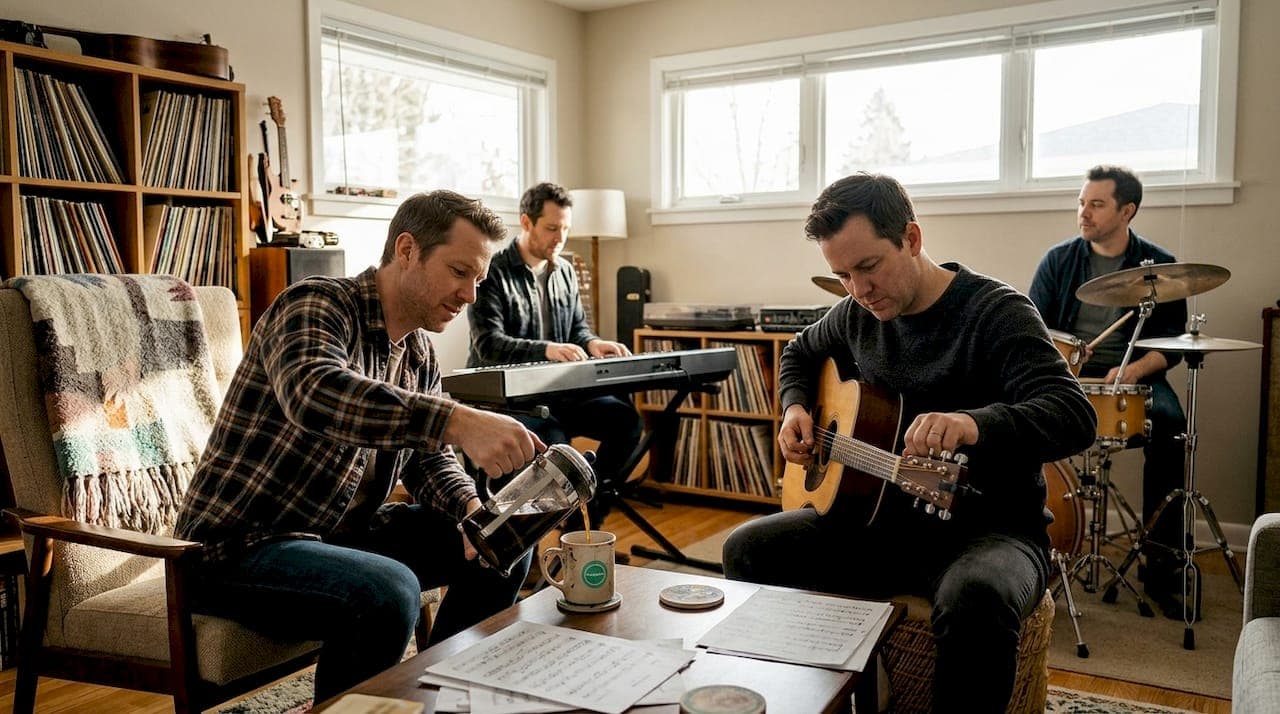
Building a thriving local music community and organizing jam sessions that truly connect musicians can feel overwhelming. Between finding the right venue, mixing skill levels, and keeping everyone engaged, many aspiring organizers give up before they start. This checklist breaks down the essential steps to create inclusive, energetic jam sessions that bring musicians together regardless of experience level. Whether you're hosting your first neighborhood jam or expanding an existing network, these actionable strategies will help you build a sustainable community where collaboration and creativity flourish naturally through platforms like JamClub.
Table of Contents
- Key takeaways
- Essential criteria for building your music community
- Effective methodologies for jam sessions and inclusivity
- Promoting and sustaining growth in your music community
- Virtual platforms and tools to connect musicians remotely
- How JamClub can help you build and grow your music community
- FAQ
Key Takeaways
| Point | Details |
|---|---|
| Define goals | Set clear objectives that guide every decision from venue to recruitment and session rules. |
| Pick the right venue | Choose spaces with good acoustics, accessible parking, flexible layouts, and a backup plan for weather or noise concerns. |
| Mix skill levels | Include beginners through advanced players to foster mentorship and keep performances lively and balanced. |
| Establish ground rules | Set volume etiquette, turn taking, and periodic tuning breaks to create a respectful, productive jam environment. |
| Use scheduling tools | Leverage digital platforms to manage RSVPs, share setlists, and communicate updates with attendees. |
Essential criteria for building your music community
Starting a music community requires more than enthusiasm. You need clear objectives that guide every decision, from venue selection to participant recruitment. Defining goals, selecting venues, preparing equipment, inviting diverse skill levels, and setting ground rules form the foundation of any successful jam session.
Your venue choice directly impacts attendance and sound quality. Look for spaces with adequate acoustics, accessible parking, and flexible layouts that accommodate both small gatherings and larger events. Community centers, music studios, and even spacious garages work well if they meet basic comfort and sound requirements. Consider noise ordinances in residential areas and always have a backup plan for weather-dependent outdoor sessions.
Diversity in skill levels transforms jam sessions from exclusive clubs into learning laboratories. Mixing beginners with intermediate and advanced players creates natural mentorship opportunities while keeping arrangements fresh. Aim for 5-10 musicians with balanced rhythm and lead instruments to maintain engagement without overwhelming the sonic space. Too few players limit musical possibilities, while too many create chaos where individual contributions get lost.
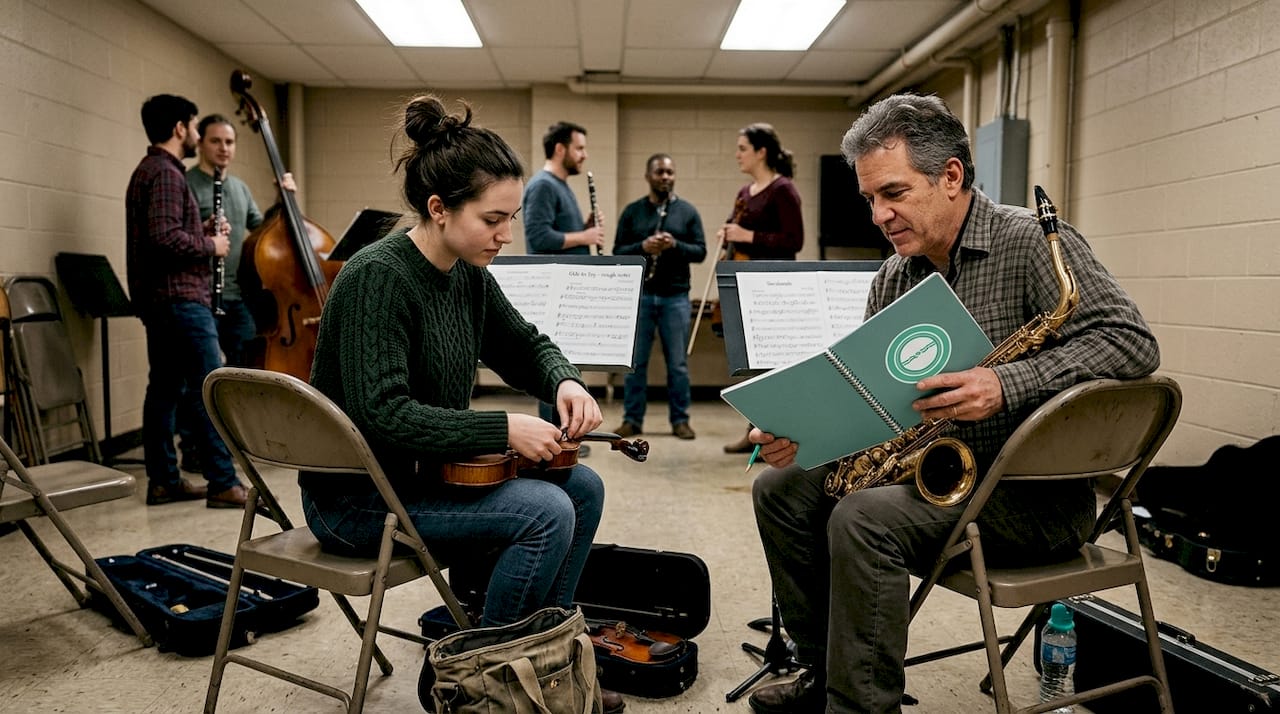
Ground rules prevent common friction points before they derail your session. Establish expectations around volume control so acoustic instruments aren't drowned out by amplified ones. Implement turn-taking protocols that give everyone solo opportunities without one player dominating. Set tuning breaks every 45 minutes to maintain sound quality. These simple guidelines create psychological safety where musicians feel comfortable experimenting without judgment.
Pro Tip: Create a one-page welcome sheet listing your community's goals, basic etiquette, and emergency contacts. Hand it to new members at their first session to set expectations immediately.
Explore jam session platform tools that streamline scheduling and communication, letting you focus on music rather than logistics. Digital solutions handle RSVP tracking, setlist sharing, and real-time updates that keep everyone informed without endless group texts.
Effective methodologies for jam sessions and inclusivity
Structure enables spontaneity. Planning song lists or chord charts, encouraging contributions from all, including experienced players to guide beginners, and maintaining jamiquette creates the framework where musical magic happens naturally.
- Prepare three to five song options with chord charts available digitally or printed. Choose familiar standards that most musicians know alongside one or two wildcards that challenge the group.
- Rotate song selection among participants so everyone shapes the musical direction. This ownership increases investment and reveals hidden repertoire gems.
- Assign experienced players as section leaders who can cue transitions and provide subtle guidance without taking over.
- Schedule dedicated feedback moments where players share what worked and what needs adjustment for next time.
- Document each session with simple notes about successful songs, attendance, and ideas for improvement.
Flexibility within structure prevents sessions from becoming rigid or predictable. While having a setlist provides direction, leave room for spontaneous jams when the group energy suggests it. Some of the most memorable musical moments emerge when someone suggests an unexpected tune and the group collectively figures it out in real time.
Check tuning, mind volume, and take turns to maintain the respect that keeps musicians returning. Jamiquette extends beyond technical considerations to interpersonal dynamics. Acknowledge great solos with eye contact or nods. If someone struggles, support them rather than highlighting mistakes. Create an atmosphere where risk-taking is celebrated and imperfection is part of the learning journey.
Inclusivity means actively welcoming musicians who might feel intimidated by established groups. Introduce newcomers personally to three or four regulars who can help them feel connected. Avoid inside jokes or references that exclude people unfamiliar with your history. Rotate seating arrangements so cliques don't form and everyone interacts with different players throughout the session.
Pro Tip: Start each session with a simple warm-up tune everyone knows. This eases nerves, gets instruments in tune, and establishes the evening's energy before tackling more complex material.
Discover jam session planning approaches that help you organize setlists, track participant preferences, and gather feedback systematically for continuous improvement.
Promoting and sustaining growth in your music community
Visibility determines whether your community thrives or stagnates. Using social media, local forums, flyers, building online presence with EPKs and contact spreadsheets, and attending open mics multiplies your reach beyond immediate networks.
Social media platforms offer free promotion with targeted reach. Create a dedicated page for your jam community where you post session recaps, upcoming dates, and musician spotlights. Use local hashtags and tag music venues to increase discoverability. Short video clips from sessions generate more engagement than text posts, giving potential members a preview of your vibe.
- Post consistently three times per week to maintain algorithmic visibility
- Share member success stories like band formations or gig bookings
- Create event pages with clear RSVP options and directions
- Engage with comments and messages within 24 hours to build relationships
- Cross-promote with complementary music groups in your area
Physical promotion still matters in local music scenes. Print eye-catching flyers with QR codes linking to your signup page and distribute them at music stores, coffee shops, and venue bulletin boards. Attend open mics not just to perform but to network with musicians who might join your sessions. Hand out business cards with your contact information and next session date.
An electronic press kit showcases your community's professionalism and makes it easy for venues or media to feature you. Include high-quality photos from sessions, a brief description of your mission, testimonials from members, and contact information. Keep a spreadsheet tracking every musician you meet with their instruments, skill level, and preferred contact method for targeted invitations.
Growth from modest turnout via word of mouth, consistent scheduling, and retention through fun proves that quality experiences create organic expansion. When members have genuinely enjoyable sessions, they naturally invite friends and colleagues. This authentic growth builds stronger communities than aggressive marketing ever could.
| Growth Strategy | Implementation | Expected Timeline |
|---|---|---|
| Social media presence | Post 3x weekly, engage daily | 2-3 months for traction |
| Local venue partnerships | Approach 5-10 venues for flyer placement | 1 month for initial contacts |
| Open mic networking | Attend 2-3 events monthly | Ongoing relationship building |
| Consistent scheduling | Same day/time for 6+ months | 3-4 months for habit formation |
Consistency in scheduling cannot be overstated. When musicians know your jam happens every second Thursday at 7pm, they plan their calendars accordingly. Irregular scheduling forces people to constantly check for updates and reduces commitment. Block out dates six months in advance and communicate them early so members can prioritize attendance.
Learn jam community growth strategies that align with your specific goals and help you measure progress through meaningful metrics beyond just headcount.
Virtual platforms and tools to connect musicians remotely
Geography no longer limits musical collaboration. Platforms like JamKazam, Jam Galaxy, and jammr enable online collaboration with low latency for remote jam sessions that feel nearly as immediate as in-person playing.
JamKazam runs on PC and Mac, offering real-time jamming with recording capabilities that let you capture spontaneous creativity. Its audio engine minimizes latency to imperceptible levels when participants have quality internet connections. The platform includes video chat so you maintain visual connection with fellow musicians, reading body language and cues just as you would in a physical space.
Jam Galaxy operates entirely in browsers, eliminating software downloads and compatibility issues. Its peer-to-peer streaming connects you directly with other musicians while a large artist community provides instant collaboration opportunities. The platform's simplicity makes it ideal for musicians who want to jam without technical setup headaches.
jammr takes mobile-friendly design seriously, letting you join sessions from tablets or phones with minimal configuration. This accessibility opens jamming to musicians who lack dedicated music computers or prefer spontaneous sessions from anywhere. The focus on casual jams creates a low-pressure environment perfect for experimentation.
| Platform | Device Support | Key Features | Best For |
|---|---|---|---|
| JamKazam | PC, Mac | Real-time jamming, recording, video chat | Serious collaborators wanting studio-quality sessions |
| Jam Galaxy | Browser-based | P2P streaming, large community, no downloads | Musicians seeking instant access and variety |
| jammr | Mobile, desktop | Easy setup, casual focus, cross-platform | Spontaneous jams and mobile musicians |
Latency remains the critical factor in virtual jamming. Even 30 milliseconds of delay disrupts musical timing and makes playing together frustrating. Prioritize wired ethernet connections over WiFi, close bandwidth-heavy applications during sessions, and choose servers geographically close to all participants. Some platforms offer latency testing tools that help you optimize settings before inviting others.
- Test your setup with one partner before hosting larger sessions
- Use headphones to eliminate audio feedback loops
- Invest in a quality audio interface for better sound input
- Schedule sessions during off-peak internet hours when possible
- Have backup communication channels if audio fails
Accessibility considerations extend beyond technical requirements. Choose platforms with intuitive interfaces that don't require engineering degrees to navigate. Consider whether your community members have the hardware, software, and internet speeds required. Virtual sessions work best as complements to in-person gatherings rather than complete replacements, offering flexibility when weather, distance, or schedules prevent physical meetups.
Pro Tip: Start virtual sessions with a five-minute audio check where everyone plays simultaneously to identify latency issues before diving into structured jamming.
Explore virtual jam session platforms that integrate seamlessly with your existing community infrastructure and support hybrid events mixing in-person and remote participants.
How JamClub can help you build and grow your music community
Organizing jam sessions shouldn't consume more time than actually playing music. JamClub streamlines every aspect of community building, from discovering local musicians to managing event logistics. The platform connects you with players across all skill levels in your area, eliminating the guesswork of finding compatible collaborators.
Create and manage jam sessions with built-in scheduling tools that handle RSVPs, send automatic reminders, and let you share setlists or chord charts directly within event pages. Real-time messaging keeps everyone coordinated without juggling multiple apps or endless email threads. Whether you're hosting intimate acoustic sessions or larger electric jams, JamClub adapts to your community's unique needs.
Thousands of musicians trust JamClub to grow vibrant communities where collaboration happens naturally. The platform features support inclusivity by highlighting diverse skill levels and musical preferences, helping you build balanced sessions that benefit everyone. Ready to transform your musical network? Create your first jam session today and experience how the right tools amplify your community-building efforts.
FAQ
What is a music community checklist and why is it important?
A music community checklist ensures you cover essential planning steps for smooth, inclusive jam sessions that keep musicians engaged. It helps you remember venue requirements, equipment needs, promotional tasks, and etiquette guidelines that might otherwise slip through the cracks. Following a systematic checklist reduces last-minute stress and creates consistency that members appreciate. This organized approach lets you focus on facilitating great music rather than scrambling with logistics.
How can beginners get involved in local jam sessions?
Beginners should start by attending open mics or specifically advertised beginner-friendly sessions where expectations match skill levels. Connect through social media groups, local music store bulletin boards, or community platforms like JamClub that filter sessions by experience level. Bring genuine enthusiasm and willingness to learn rather than worrying about technical perfection. Most jam communities actively welcome newcomers because fresh perspectives and different musical backgrounds enrich the overall experience for everyone involved.
What are the best online platforms for remote jamming?
JamKazam, Jam Galaxy, and jammr represent the most popular options for virtual collaboration, each offering low latency and specialized tools. JamKazam excels for serious musicians wanting recording capabilities and video chat during sessions. Jam Galaxy's browser-based approach eliminates software installation hassles while connecting you to a large existing community. jammr prioritizes mobile accessibility and casual jamming without complex setup requirements. Choose based on your technical comfort level, device preferences, and whether you prioritize spontaneity or structured sessions.
How do I keep a music community engaged over time?
Consistent event timing builds attendance habits that make your jams a regular calendar fixture for members. Focus relentlessly on inclusivity and enjoyment rather than technical perfection, creating an environment where musicians want to return. Actively encourage feedback through quick surveys or casual conversations, then implement suggested improvements to show you value member input. Rotate formats occasionally with themed sessions, guest facilitators, or performance showcases that prevent monotony while maintaining your core identity and welcoming atmosphere.