
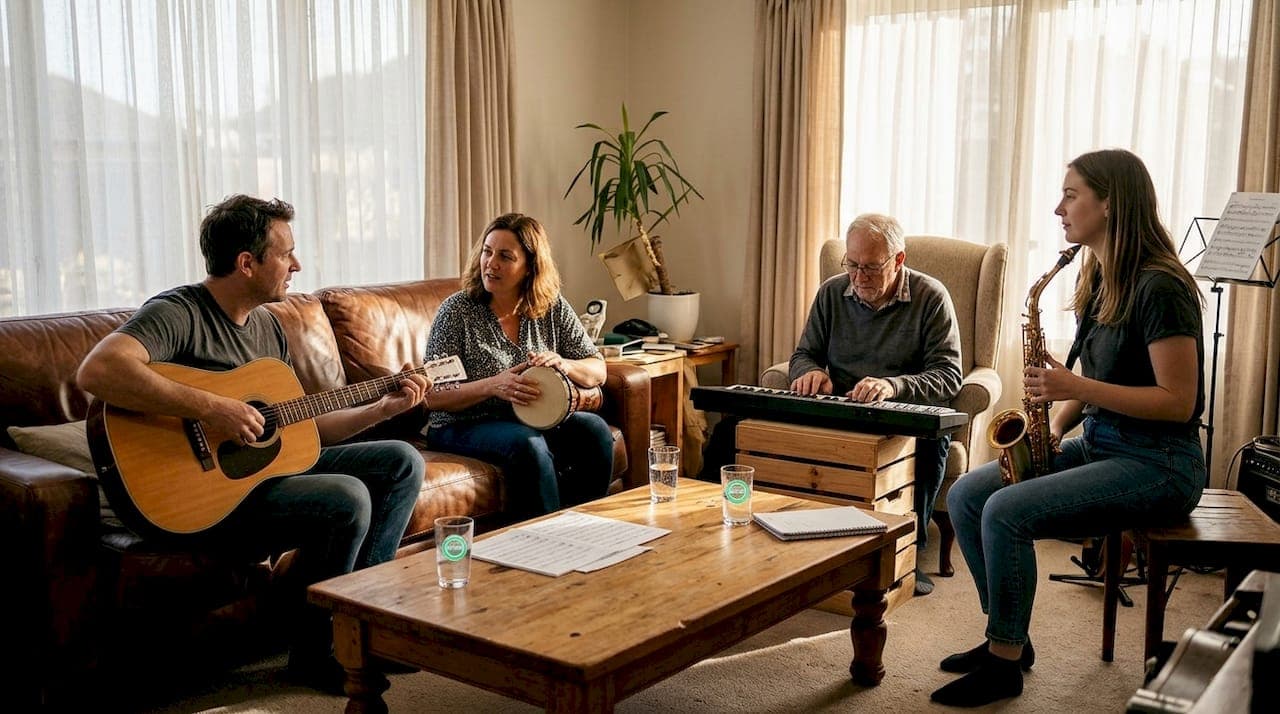
Many musicians believe musical gatherings are exclusive events reserved for virtuosos and seasoned professionals. This misconception keeps countless talented players from experiencing the transformative power of collaborative music. In reality, promoting and participating in jam sessions enhances creativity through improvisation and spontaneous experimentation for musicians at every skill level. These gatherings build vital social connections, expand professional networks, and accelerate musical growth in ways solo practice never could. This article reveals why promoting musical gatherings matters and how to organize them effectively for maximum creative and social impact.
Table of Contents
- Key takeaways
- The creative power of musical gatherings
- Building community and meaningful social connections
- How to organize and promote effective musical gatherings
- The lasting impact of promoting musical gatherings
- Join and promote musical gatherings with JamClub
- Frequently asked questions
Key Takeaways
| Point | Details |
|---|---|
| Creativity through improvisation | Jam sessions boost creativity by encouraging real time improvisation and spontaneous experimentation. |
| Social bonds and networks | Participation builds meaningful connections and expands professional networks beyond solo practice. |
| Organization and etiquette | Clear structure and inclusive etiquette improve participation and make gatherings welcoming for everyone. |
| Balance skill and genre | Balancing diverse skill levels and genres prevents stagnation and creates opportunities for everyone to contribute. |
| Promoting gatherings matters | Active promotion and regular participation grow individual growth and strengthen local musical communities. |
The creative power of musical gatherings
Musical gatherings serve as laboratories for creative exploration. Unlike rehearsed performances, jam sessions enhance creativity through improvisation and spontaneous experimentation, fostering real-time artistic dialogue and risk-taking. When musicians respond to each other without predetermined arrangements, they enter a flow state that generates unexpected musical ideas and combinations.
This spontaneous dialogue pushes players beyond their comfort zones. You might discover a chord voicing you never considered or stumble upon a rhythmic pattern that becomes your signature sound. The unpredictable nature of group improvisation forces you to listen actively, adapt instantly, and contribute ideas that complement rather than compete with fellow musicians. These skills translate directly to improved musicianship across all contexts.
Science confirms what musicians instinctively know. Research shows collaborative music increases oxytocin (social bonding), decreases cortisol (stress), and enhances creative self-efficacy. The study found creative self-efficacy increased with a beta coefficient of 0.557, demonstrating a strong positive relationship between group music-making and creative confidence. Your body literally rewards you for making music with others.
"Jam sessions in a digital age continue to build community by creating spaces where musicians experiment freely, share ideas, and develop their artistic voices through collaborative exploration."
Musical gatherings foster skills that solo practice cannot replicate:
- Active listening that tunes you into subtle harmonic and rhythmic cues from other players
- Instant adaptation to tempo changes, key shifts, and dynamic variations
- Creative problem-solving when navigating unexpected musical directions
- Confidence to contribute ideas without overthinking or self-censoring
- Expanded musical vocabulary from exposure to diverse playing styles
Pro Tip: Embrace 'let-go' improvisatory modes where you prioritize group flow over individual perfection. This mindset shift maximizes creativity by reducing performance anxiety and opening space for genuine musical conversation. When you report jam sessions and share experiences, you help other musicians discover these creative opportunities.
The platform tools available to find and create jam sessions make it easier than ever to access these creative benefits regularly. Consistent participation compounds the advantages, building both your musical skills and your creative confidence over time.
Building community and meaningful social connections
Musical gatherings create social bonds that extend far beyond the music itself. They break down traditional barriers between performers and audiences, transforming passive listeners into active participants. This inclusive environment nurtures networks and belonging in ways formal concerts cannot match. Jam sessions build community by creating spaces where everyone contributes to the musical experience regardless of their role or skill level.
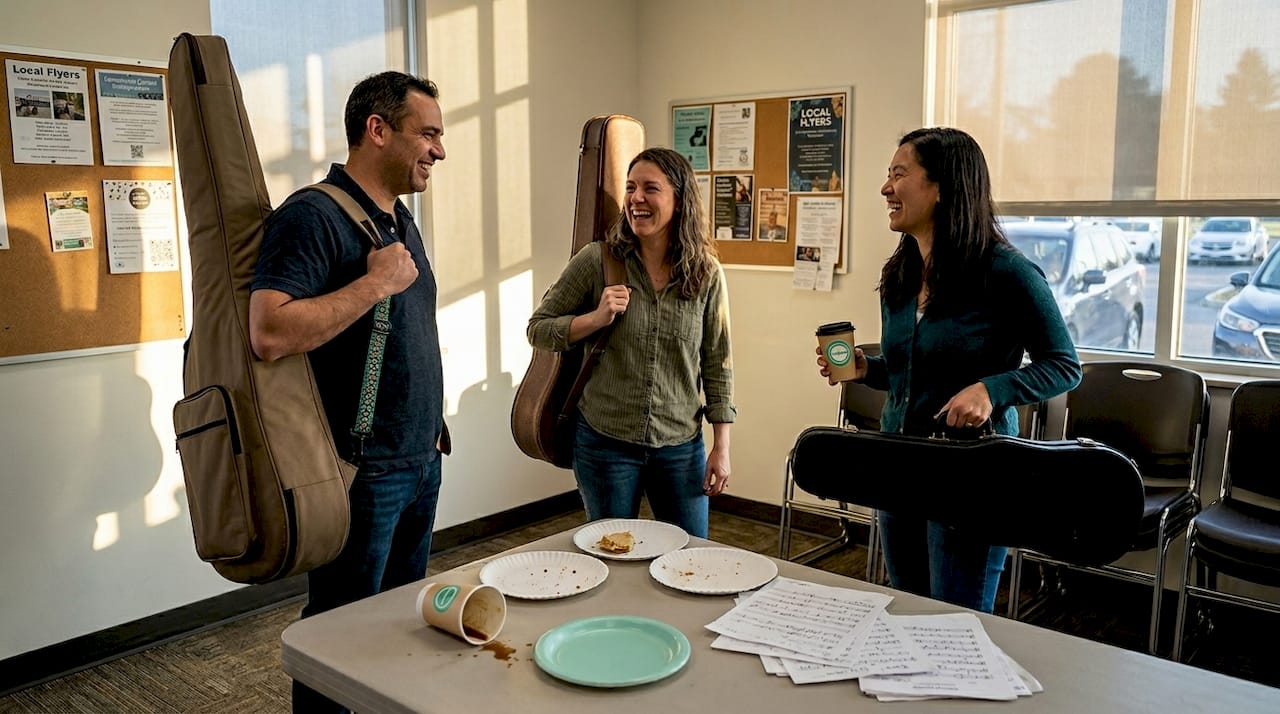
For emerging musicians, these gatherings provide invaluable networking opportunities. You meet potential bandmates, collaborators, and mentors who share your musical interests. Local fans discover your playing style and become supporters of your musical journey. These connections often lead to paid gigs, recording projects, and collaborative ventures that advance your career in unexpected directions.
The practical social advantages accumulate quickly:
- Meeting collaborators who complement your musical strengths and interests
- Gaining constructive feedback from experienced players in supportive settings
- Expanding your professional contacts within the local music scene
- Building confidence through positive social interactions around shared passion
- Developing communication skills that improve both musical and non-musical relationships
To maximize social connection during gatherings, follow these steps:
- Arrive early to introduce yourself and learn about other participants' musical backgrounds
- Rotate playing partners throughout the session to interact with diverse musicians
- Share genuine compliments about specific musical moments you appreciated
- Exchange contact information with players you connected with musically
- Follow up after sessions to maintain relationships and propose future collaborations
- Contribute to group discussions about song selections and session structure
"Breaking barriers between performers and audiences, jam sessions nurture networks and belonging that sustain musicians through challenges and celebrate their growth together."
Themed events and open communication deepen these connections. When you host sessions focused on specific genres, skill levels, or musical goals, participants arrive with aligned expectations and shared interests. Clear communication about session structure, etiquette, and musical direction helps everyone feel welcome and valued. The connecting musicians mission at JamClub emphasizes this inclusive approach to building lasting musical communities.
Pro Tip: Host themed events that rotate monthly, such as blues night, Latin jazz, or songwriter circles. This variety attracts diverse participants while giving regulars fresh creative challenges. Encourage participants to suggest themes and volunteer to lead sessions, fostering ownership and investment in the community.
The music community app provides tools to maintain these connections between sessions. Real-time messaging, RSVP management, and event discovery features keep your musical network active and engaged. These digital tools complement in-person gatherings by sustaining relationships and facilitating spontaneous musical meetups.
How to organize and promote effective musical gatherings
Successful musical gatherings require thoughtful planning and clear structure. Setting guidelines around skill levels, genres, and etiquette creates an environment where all participants thrive. The concept of jamiquette, or jam session etiquette, establishes behavioral norms that respect everyone's musical contribution and learning process. Organizing sessions requires clarifying levels and genres, establishing jamiquette, maintaining critical mass of 5-10 players, and having experienced guides present.
| Effective structure | Common pitfall |
|---|---|
| 5-10 players for balanced interaction | Too many players create chaos and limit individual playing time |
| Clear genre focus per session | Mixed genres confuse participants and dilute musical cohesion |
| Rotating comping roles every 2-3 songs | Constant comping from same players creates muddy sound |
| Explicit skill level guidelines | Undefined levels intimidate beginners and frustrate advanced players |
| Designated session leader or facilitator | Leaderless sessions drift without direction or structure |
| Time limits on solos and comping | Unlimited playing time allows show-offs to dominate |
Promotion strategies that attract diverse participants and sustain engagement include:
- Themed sessions that appeal to specific musical interests and skill levels
- Rotating leadership roles that give experienced players ownership and responsibility
- Clear communications about expectations, skill requirements, and session format
- Beginner-friendly time slots separate from advanced sessions when attendance allows
- Social media presence showcasing session highlights and participant testimonials
- Partnerships with local music stores, schools, and venues for cross-promotion
- Consistent scheduling that builds routine and habit among regular attendees
Managing edge cases requires diplomatic firmness. When skill imbalances emerge, pair beginners with mentors during specific songs or create separate circles for different levels. Address over-comping by implementing the rule that one comping limit greatly improves sessions: balance fun and inclusivity with rules like comping limits, while experts add value by guiding nuances. This simple boundary prevents the muddy sound that occurs when multiple rhythm instruments play simultaneously without coordination.
Show-off behaviors disrupt group dynamics and discourage participation. Address them privately by explaining how shorter solos and active listening benefit everyone's growth. Frame the conversation around collective improvement rather than individual criticism. Most players respond positively when they understand how their adjustments enhance the overall experience.
Pro Tip: Rotate comping roles every two to three songs and limit accompaniment to one or two instruments at a time. This prevents muddy sound, keeps beginners engaged by giving them clear moments to contribute, and teaches everyone the valuable skill of laying out when appropriate. Use the jam session platform to communicate these guidelines before sessions begin.
Thoughtful promotion attracts participants who align with your session's values and goals. When you clearly communicate structure, expectations, and musical focus, you filter for musicians who will contribute positively to the group dynamic. The tools to find musicians and jam sessions help you reach your ideal participants while building a reputation for well-organized, welcoming gatherings.
Your promotional messaging should emphasize both the musical and social benefits. Highlight the specific skills participants will develop, the genres you'll explore, and the supportive community atmosphere. This honest, detailed communication sets appropriate expectations and attracts musicians genuinely interested in collaborative growth. The jam session mission of fostering connections and creativity should guide all promotional efforts.
The lasting impact of promoting musical gatherings
The benefits of musical gatherings compound over time, creating lasting positive changes in musicians' creative abilities, social integration, and career trajectories. Regular participation builds creative confidence that extends beyond jam sessions into all musical endeavors. You approach songwriting, performance, and collaboration with greater openness and fewer inhibitions. The social networks you develop provide ongoing support, opportunities, and inspiration throughout your musical journey.
Sustained benefits for individuals and local music culture include:
- Ongoing creativity boost from regular improvisational practice and exposure to new ideas
- Deep social integration within your local music scene and broader musical communities
- Collaboration opportunities that lead to band formations, recording projects, and performances
- Career growth through networking, skill development, and increased visibility
- Reduced performance anxiety from frequent low-stakes playing experiences
- Expanded musical vocabulary and stylistic flexibility from diverse interactions
- Mentorship relationships that accelerate learning and provide career guidance
- Cultural enrichment of your community through accessible, participatory music events
Statistical support demonstrates these benefits are measurable and significant. The study on collaborative music found creative self-efficacy increased with a beta coefficient of 0.557, while cortisol levels decreased, indicating reduced stress. These physiological and psychological changes support long-term creative development and overall well-being. Making music with others literally changes your brain chemistry in positive ways.
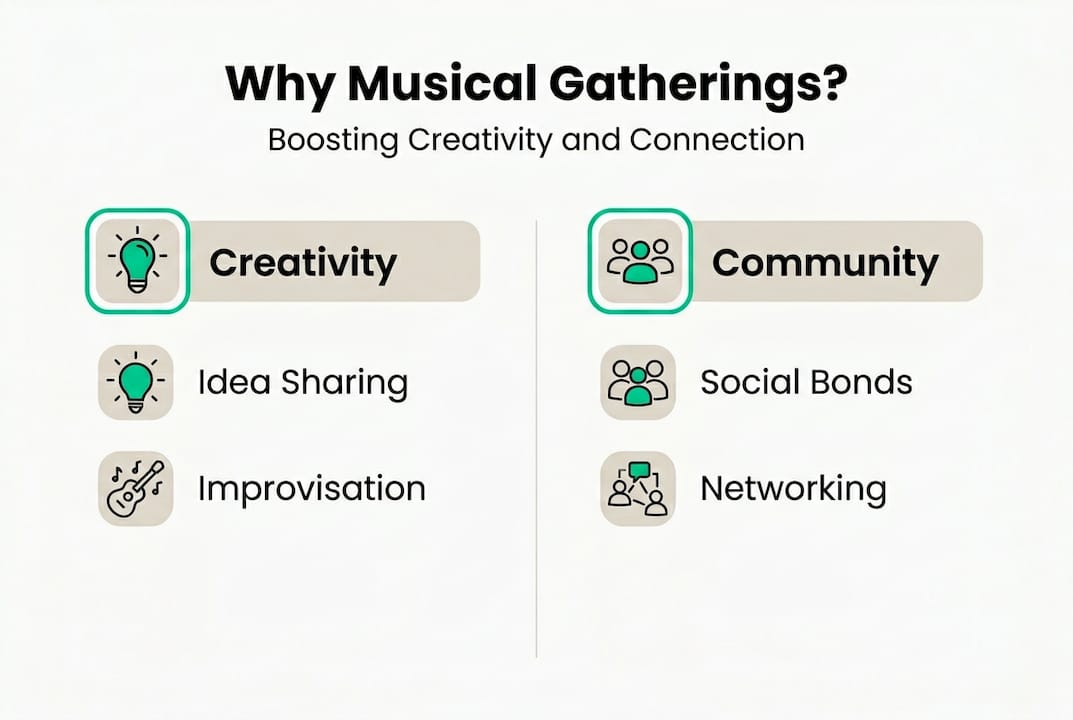
However, jam sessions have limitations. They can be time-inefficient for focused practice and sometimes create show-off environments. The discussion notes jam sessions work better as an initial foot-in-door for networking than as an exclusive practice method. Optimize for learning by balancing jam sessions with dedicated solo practice, formal lessons, and focused rehearsals with established groups.
The networking value often outweighs the time investment. You gain exposure to playing styles, musical concepts, and professional opportunities that would take years to discover otherwise. The key is approaching gatherings with clear goals, whether networking, skill development, or creative exploration. This intentional participation maximizes return on your time investment.
Pro Tip: Track your progress by recording yourself at jam sessions monthly. Review recordings to identify patterns in your playing, areas for improvement, and moments of genuine creative breakthrough. This objective feedback accelerates your development and helps you recognize the cumulative benefits of regular participation.
Promoting musical gatherings represents a long-term investment in your musical growth and community development. Each session you attend or organize strengthens the local music ecosystem, creating more opportunities for everyone involved. The musical networking app facilitates this ecosystem by connecting musicians, coordinating events, and sustaining relationships between gatherings.
Your active promotion helps build a thriving musical community that supports creativity, connection, and career advancement. When you share session details, invite new participants, and contribute to positive group dynamics, you multiply the benefits for yourself and others. The musical community mission succeeds through the collective efforts of musicians who recognize the value of collaborative music-making and commit to sustaining these vital gatherings.
Join and promote musical gatherings with JamClub
Now that you understand the creative, social, and career benefits of musical gatherings, JamClub provides the practical tools to put these insights into action. The platform connects musicians of all skill levels, making it simple to discover nearby jam sessions or create your own.
JamClub's features support everything discussed in this guide. Find local gatherings that match your skill level and musical interests through the jam session platform. Create sessions with RSVP management, communicate expectations clearly, and build your musical network through structured tools designed for collaborative music-making. When you report jam sessions, you help other musicians discover opportunities and strengthen your local music community.
The platform operates as a free service, removing barriers to participation and encouraging widespread engagement. Whether you're a beginner seeking your first jam experience or an experienced player looking to mentor others, JamClub provides the infrastructure to maximize the benefits outlined in this article. Start applying these principles today by exploring the connecting musicians mission and joining the growing community of collaborative musicians.
Frequently asked questions
What types of musicians can benefit from promoting musical gatherings?
All skill levels benefit from musical gatherings, with beginners gaining exposure to real-world playing situations and experienced musicians fostering creativity through spontaneous collaboration. Intermediate players accelerate their development by learning from more advanced musicians while mentoring newcomers. The inclusive nature of well-organized gatherings enables shared growth across the entire skill spectrum, creating a supportive environment where everyone contributes and learns simultaneously.
How can I ensure my musical gathering is welcoming and inclusive?
Set clear etiquette rules and session structures before gatherings begin, communicating expectations about skill levels, genres, and behavioral norms. Encourage rotating roles so everyone gets opportunities to solo, comp, and lead songs regardless of experience level. Respect for all participants comes from modeling positive behavior, addressing disruptive actions privately, and celebrating small victories for players at every level. Use the jam session platform to share guidelines and gather feedback that improves inclusivity over time.
What are common challenges in promoting musical gatherings and how can I overcome them?
Manage skill balance by establishing clear level guidelines and creating separate sessions when attendance supports it. Use comping limits and role rotation to prevent overpowering sounds from multiple rhythm instruments playing simultaneously. Keep sessions lively but structured by setting time limits on solos, maintaining consistent scheduling, and providing constructive feedback that reduces downtime. Research confirms jam sessions face time inefficiency and show-off environments as challenges, but they work better as networking opportunities than exclusive practice methods when organized thoughtfully.
How do musical gatherings support long-term creative growth?
Regular gatherings boost creative confidence by providing repeated low-stakes opportunities to experiment, take risks, and receive immediate feedback from fellow musicians. The research demonstrates collaborative music increases creative self-efficacy and reduces stress through hormonal changes that support ongoing creative development. These sessions build lasting professional and social networks that provide mentorship, collaboration opportunities, and career advancement throughout your musical journey, creating compound benefits that extend far beyond individual practice sessions.