
TL;DR:
- Modern digital platforms greatly enhance local musician discovery through location and genre filters.
- Community features and personal profiles increase trust and foster lasting musical connections.
- Face-to-face engagement remains essential for building genuine local music scenes beyond algorithmic recommendations.
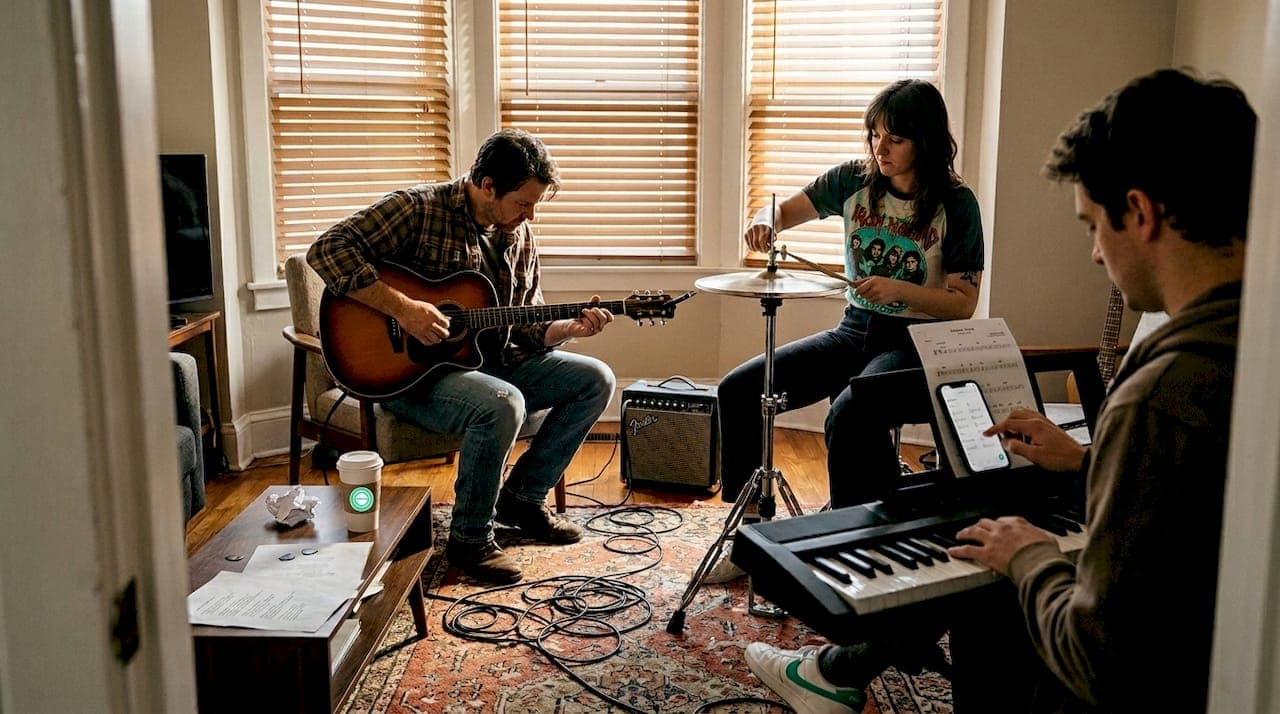
Finding other musicians used to mean posting flyers at the guitar shop or hoping a friend of a friend played bass. That word-of-mouth approach still exists, but it only scratches the surface of what's possible today. Modern platforms have completely changed how musicians locate jams, collaborators, and live events nearby. Whether you're a beginner looking for your first open mic or a seasoned player hunting for a weekly blues session, the tools now available make local musician discovery faster, smarter, and far more accessible than most players realize.
Table of Contents
- Defining local musician discovery
- How technology powers local discovery
- Community, curation, and the human element
- Navigating challenges and finding your place
- Why authentic local discovery beats algorithms alone
- Connect and grow your music network with JamClub
- Frequently asked questions
Key Takeaways
| Point | Details |
|---|---|
| Discovery is now digital | Apps and platforms let you find musicians and events locally with just a few taps. |
| Community curation matters | Playlists and reviews from fellow musicians can boost your exposure and trust. |
| Challenges are normal | Beginners and niche genres may face hurdles, but there are ways to turn these into growth opportunities. |
| Algorithms are not everything | Human connections and word-of-mouth still play a vital role in local music scenes. |
Defining local musician discovery
Local musician discovery is the process of finding people, events, and jam sessions in your geographic area using a combination of digital tools, community networks, and platform features. It goes well beyond searching "open mic near me" on a browser. Real discovery means connecting with the right musicians at the right skill level, in the right genre, at the right time.
At its core, the process relies on a few key elements:
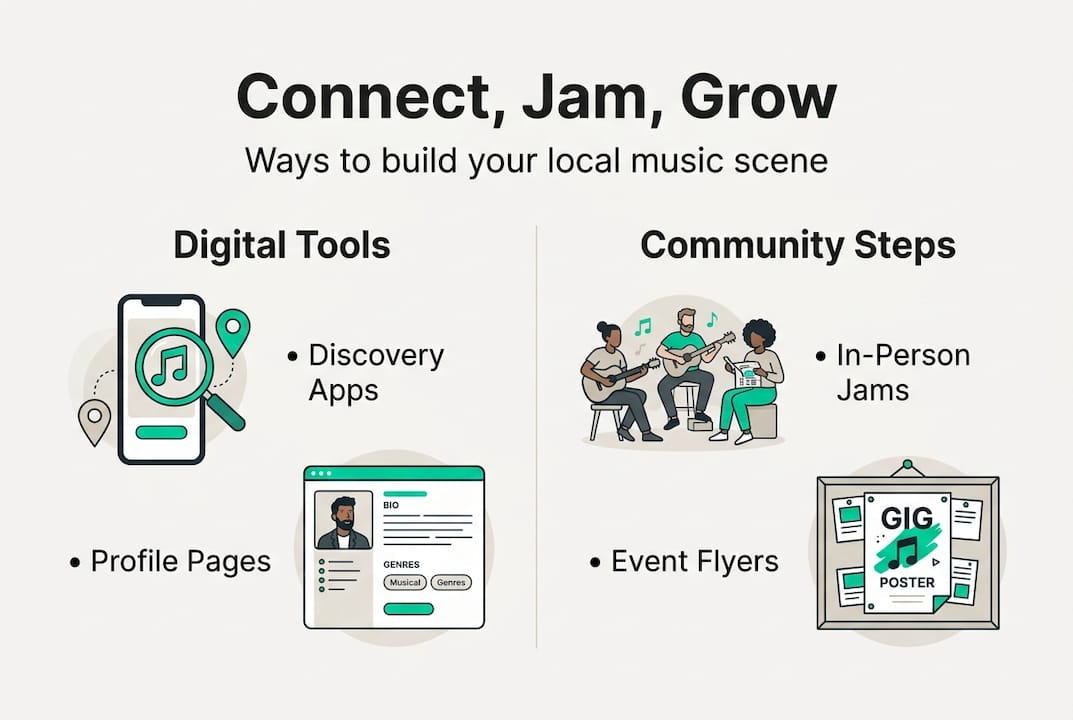
- Location-based search: Platforms use your GPS or zip code to surface relevant events and profiles nearby.
- Genre and instrument filters: You can narrow results to jazz guitarists, blues drummers, or folk vocalists in your city.
- Skill level matching: Some platforms let you flag sessions as beginner-friendly or advanced, so no one shows up unprepared.
- Event types: From open mics to structured jams and band rehearsals, you can filter by format.
- Profiles and audio samples: Musicians post bios, clips, and reviews so you can evaluate fit before reaching out.
As one leading app notes, primary mechanics include location-based searches, filtering by genre, instrument, skill level, and event type. These features together create a discovery experience that feels personal rather than random.
"Discovery isn't just about finding a jam. It's about finding your jam — the people and spaces where your music actually grows."
Why does this matter? Because exposure to new musicians accelerates your growth in ways that solo practice never can. You absorb different playing styles, learn to adapt in real time, and build a network that can lead to band formation, recording projects, or just lifelong musical friendships. A solid music event discovery guide can help you understand the full landscape of what's available in your area.
The digital shift has also democratized discovery. You no longer need to be plugged into an insider scene or know the right promoter. Platforms now give every musician, regardless of background or experience, the tools to establish local music connections that would have taken years to build organically. That's a genuine game-changer for anyone who has ever felt locked out of their local scene.
How technology powers local discovery
Understanding the mechanics behind discovery apps helps you use them more effectively. Most platforms combine three core technologies: location services, data-driven recommendations, and streaming integrations.
Location services are the foundation. When you open an app and allow access to your location, the platform maps your coordinates against a database of registered musicians, venues, and events. The closer the match, the higher it ranks in your feed. Some apps extend this with radius sliders, letting you search within 5 miles or expand to 50 if your local scene is sparse.
Recommendations layer on top of location. Established platforms like Bandsintown enable discovery via personalized recommendations, integrating with major streaming apps to surface concerts and events aligned with your listening habits. That means if you stream a lot of funk, the platform nudges you toward funk jams and events nearby.
Here's a quick comparison of three platforms musicians commonly use:
| Platform | Primary focus | Key filters | Community features |
|---|---|---|---|
| Bandsintown | Concert discovery | Genre, location, streaming sync | Event RSVPs, artist follow |
| OpenMic | Musician networking | Instrument, skill, genre | Profiles, direct messaging |
| JamClub | Jam session discovery | Genre, skill, instrument, event type | RSVP, hosting, real-time chat |
The typical discovery journey on an app looks like this:
- Create a profile with your instrument, genre preferences, and skill level.
- Set your location and preferred search radius.
- Browse or receive recommended events and musician profiles.
- Filter results by event type (open mic, jam, rehearsal) or genre.
- RSVP or message the host directly through the platform.
- Show up, play, and connect.
Data plays a growing role too. Platforms track which events get the most RSVPs, which venues fill up fastest, and which musician profiles get the most connection requests. That data feeds back into the recommendation engine, making future suggestions more accurate. If you want to plan vibrant jam sessions that actually attract players, understanding how these algorithms work gives you a real advantage as a host.
Pro Tip: Fill out every field in your profile, including audio samples. Profiles with complete information consistently rank higher in search results and get more connection requests.
Community, curation, and the human element
Technology sets the stage, but community keeps the lights on. Some of the most powerful discovery happens not through algorithms but through people actively sharing, rating, and curating local music experiences.
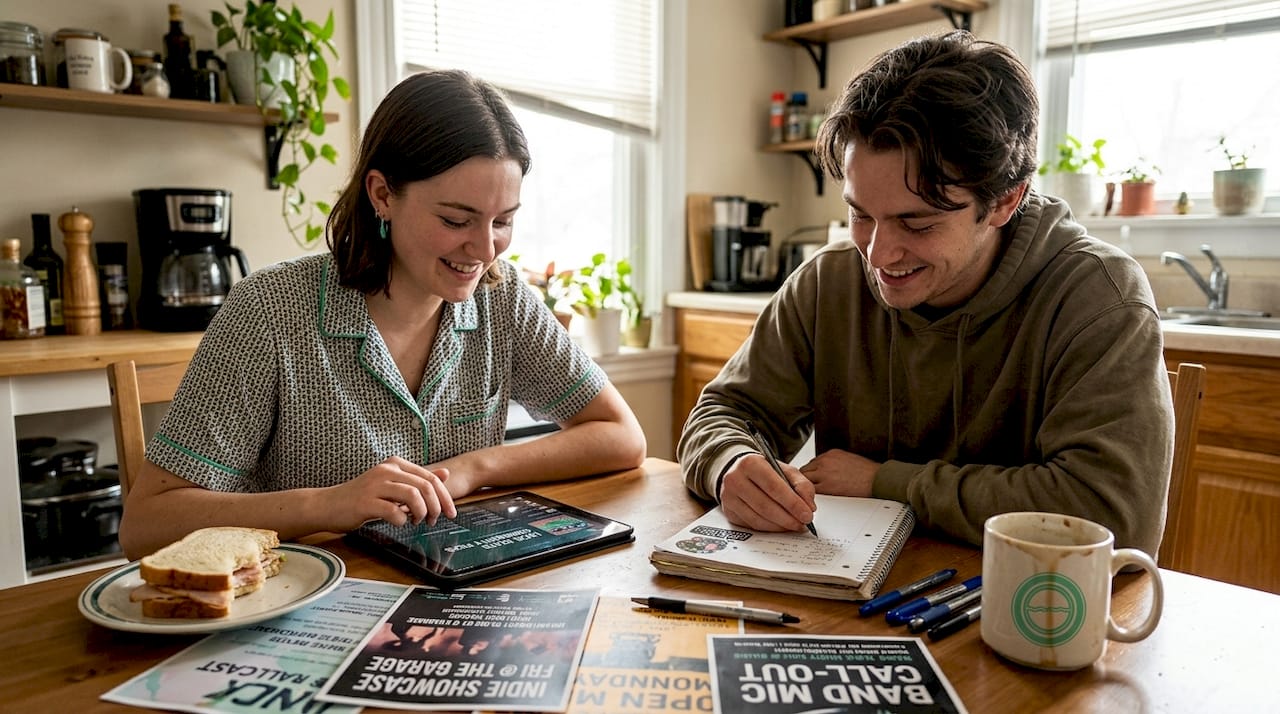
Community-driven features include playlist submissions, event reviews, and musician endorsements. When a local bassist recommends a Thursday night jam, that carries weight that no algorithm can replicate. Platforms that incorporate these social layers create a feedback loop where good events get more visibility and weak ones quietly fade.
The debate between human curation and algorithmic recommendation is real. Algorithms are fast and scalable. They can process thousands of data points in seconds and surface options you'd never find manually. But they optimize for engagement, not chemistry. A human curator who knows the local scene can spot that a specific guitarist would be a perfect fit for a reggae collective, even if the data doesn't obviously connect them.
The numbers back this up. Community-driven curation builds trust and can double attendance at venues, showing that when real people vouch for an event or artist, others show up. That's a meaningful effect for any musician trying to grow an audience or fill a room.
Here's how human and algorithmic curation compare across key factors:
| Factor | Algorithm | Human curation |
|---|---|---|
| Speed | Instant | Slower |
| Scale | Unlimited | Limited by time |
| Local nuance | Low | High |
| Serendipity | Low | High |
| Trust factor | Moderate | Strong |
For musicians, the practical takeaway is to engage with both. Use the algorithm to find options, then lean on community reviews and recommendations to decide where to actually show up. Investing in music sharing and collaboration within your platform community also increases your own visibility over time.
Pro Tip: Submit your original tracks or event recaps to weekly playlist curation features on local music platforms. Getting featured even once can introduce you to dozens of new collaborators in your area.
Navigating challenges and finding your place
Even with great tools and an active community, discovery has friction. Knowing the common roadblocks ahead of time helps you move past them faster.
Intimidation at jams. Walking into a room full of experienced players is nerve-wracking. Beginners may find intermediate-advanced jams intimidating, and niche genres can be challenging to match. The fix is simple: filter specifically for beginner-friendly events and read the event description carefully before you commit.
Genre mismatch. If you play niche genres like klezmer or Afrobeat, generic searches will mostly return blues and rock results. Use specific instrument and genre tags, and consider posting your own event to attract players who share your interests.
Remote or rural discovery. If you're outside a major city, local results can be thin. Widen your search radius, check for virtual jam options, and look at regional music Facebook groups or forums that may not be indexed on mainstream apps.
Here are actionable steps for each challenge:
- Intimidation: Start with open mics or beginner jams. They're designed for exactly this situation.
- Genre mismatch: Post your own event with clear genre tags to attract the right players.
- Remote location: Expand your radius and consider hosting to draw musicians to you.
- Lack of responses: Update your profile with audio samples and a clear bio to build credibility.
It's also worth remembering that algorithms excel at scale but lack the serendipity and local support of word-of-mouth. That's why showing up in person, even at events that feel slightly outside your comfort zone, still produces connections that no app can manufacture. Every session is a chance to learn, not just perform.
Building your presence takes time. Focus on learning how to network with musicians intentionally and consider how to start a network with jam sessions as a long-term strategy rather than a one-time event.
Pro Tip: Small, genre-specific events almost always have friendlier atmospheres than large open jams. Search for niche gatherings first. You'll find your people faster, and the musical conversations will be more focused.
Why authentic local discovery beats algorithms alone
Here's the uncomfortable truth most discovery platforms won't tell you: the algorithm is not your friend, it's your starting point. Major tech platforms compress music discovery toward whatever is already popular, which means emerging local artists and niche genres consistently get buried. Algorithms excel at scale but lack the serendipity of word-of-mouth, and local support counters the bias toward major artists that dominates most recommendation engines.
The musicians who build the most meaningful local scenes are not the ones who optimize their profiles the hardest. They're the ones who show up consistently, invest in relationships, and contribute to their community through music sharing and collaboration. Real creative chemistry doesn't come from a feed. It comes from playing together, failing together, and figuring out a groove over months of sessions.
Use technology to open doors. But walk through them in person. The most lasting musical relationships in any scene were built face to face, and that's not going to change no matter how smart the algorithm gets.
Connect and grow your music network with JamClub
Ready to put these lessons into practice? JamClub was built specifically for this moment, giving musicians a free platform to find local jams, host their own sessions, and connect with players who match their style and skill level.
Whether you want to browse nearby events, set up an RSVP-managed session, or message a drummer you spotted in the community feed, JamClub's platform has the tools to make it happen. You can create your own jam in minutes and start inviting musicians right away. Stop waiting for the scene to come to you. Visit JamClub today and start building the musical community you've always wanted.
Frequently asked questions
What are the top features of musician discovery apps?
The best apps offer location-based search, genre and instrument filters, profile creation with audio samples, direct messaging, and verified event listings. These features together help musicians find the right fit quickly.
Are local musician discovery platforms good for beginners?
Yes, most platforms welcome all skill levels, but some sessions skew advanced. Always check event details, since beginners may find intermediate or advanced jams intimidating without proper preparation.
How do I get noticed or selected for local music events?
Build a complete profile with audio samples, engage with community posts, and connect with hosts directly. Community-driven curation builds trust and can increase event attendance, so being active in the community pays off.
Do technology-driven recommendations replace word-of-mouth discovery?
No. While apps scale discovery efficiently, algorithms lack the serendipity of word-of-mouth, and human connections remain essential for authentic, lasting musical relationships.
Can I organize my own jam session through these platforms?
Absolutely. Most platforms, including JamClub, let you create and manage events with RSVP tools, profile visibility, and messaging so other musicians can find and join your session easily.