
TL;DR:
- Building local jam sessions fosters skill development, social bonds, and long-term music collaborations.
- In-person networking creates deeper trust and more meaningful connections than digital interactions alone.
- Schools and students should prioritize consistent, supportive group activities to sustain thriving music communities.
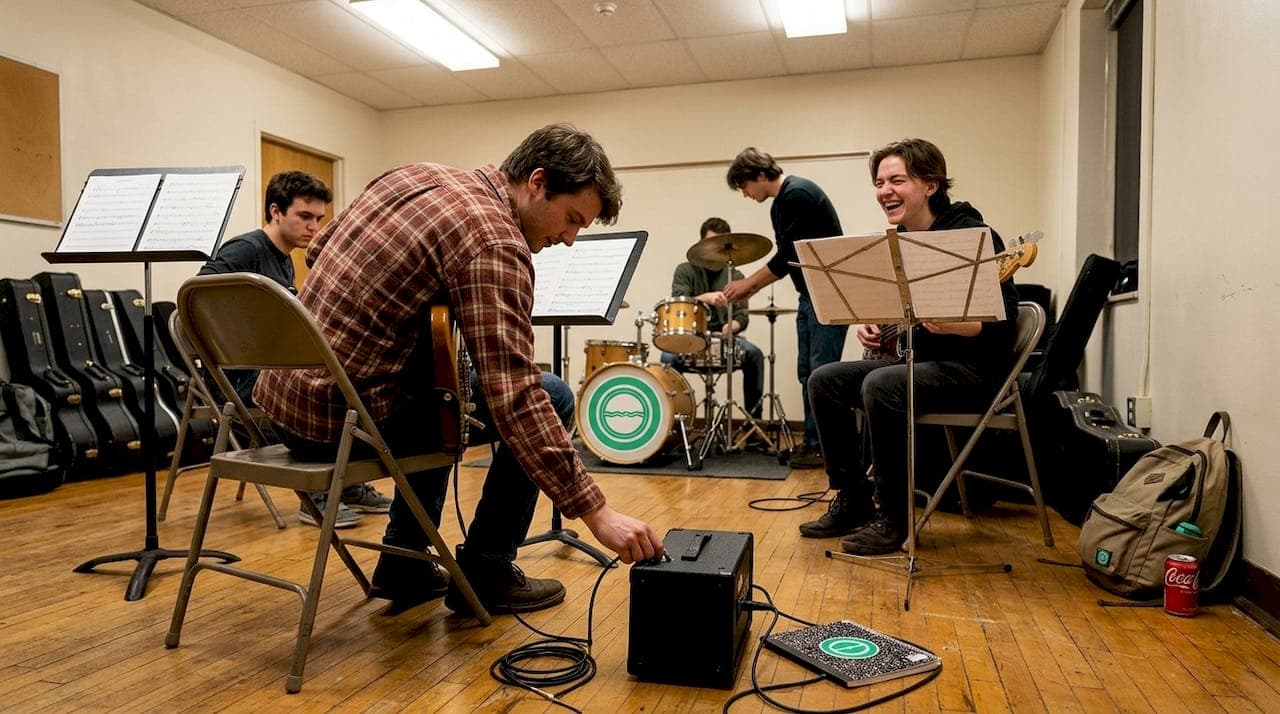
Many talented music students spend years practicing in isolation, missing out on the collaborations, friendships, and career doors that only open through real human connection. You might have access to a great instrument, a solid teacher, and even a few online followers, yet still feel like an outsider in your local music scene. That gap between skill and community is more common than you think, and it's entirely fixable. Jam sessions are a core method for building student networks, fostering improvisation, listening, and genuine collaboration. This guide walks you through every step of turning local jams and community engagement into a thriving, lasting network.
Table of Contents
- Why network matters for music students
- What you need: Tools, environments, and mindsets for networking
- Step-by-step: Organizing and maximizing local jam sessions
- Strengthening your network: Community engagement and collaborative opportunities
- Troubleshooting, virtual extensions, and avoiding common mistakes
- Hard truths and smarter strategies for music networking
- Your next steps: Join or create your student music network
- Frequently asked questions
Key Takeaways
| Point | Details |
|---|---|
| Jam sessions build networks | Regular local jam sessions offer the best mix of collaboration, skill growth, and real community for music students. |
| Frameworks make networking easier | Using structured approaches like the C.O.N.N.E.C.T. framework streamlines the process and avoids common mistakes. |
| Community partnerships expand reach | Partnering with schools and organizations turns a basic student network into a region-wide opportunity engine. |
| Virtual can support, not replace | Online tools and virtual jams supplement in-person connections but are not a complete substitute for authentic musical relationships. |
Why network matters for music students
Networking in music isn't about handing out business cards at recitals. It's about creating the conditions where learning accelerates, opportunities multiply, and musical friendships become career foundations. The research backs this up clearly.
Group music activities improve pro-social behavior, social skills, and motor learning. Dyad practice, meaning two people working through material together, produces better skill transfer than solo practice. Cooperative learning structures boost engagement across all skill levels. These aren't soft benefits. They're measurable outcomes that show up in performance, retention, and long-term musical growth.
Here's a quick look at what the data shows:
| Networking activity | Key benefit | Outcome |
|---|---|---|
| Group jam sessions | Collaborative listening | Faster improvisation growth |
| Dyad practice | Peer accountability | Better skill transfer |
| School music clubs | Social cohesion | Higher retention rates |
| Community partnerships | Expanded opportunities | Access to mentors and gigs |
Beyond the numbers, there's something irreplaceable about sharing musical experiences with others in real time. When you play through a tricky chord progression with a peer, you both learn faster than either of you would alone. When you watch someone else handle stage nerves, you absorb strategies you'd never find in a textbook.
Key benefits of building your music network early include:
- Access to gigs and collaborations that never get publicly posted
- Accelerated feedback loops from peers who understand your specific challenges
- Emotional support during the inevitable rough patches of musical development
- Exposure to different genres and techniques that broaden your own style
The cooperative learning research is consistent: students who engage in structured group music activities outperform their isolated peers on both technical and social measures. In-person connections still carry more weight than digital ones for depth and trust, but both have a role. The point is to start building, and to start now.
What you need: Tools, environments, and mindsets for networking
Before you book a rehearsal space or post a flyer, it helps to understand what actually makes networking work. The tools matter less than the mindset you bring to them.
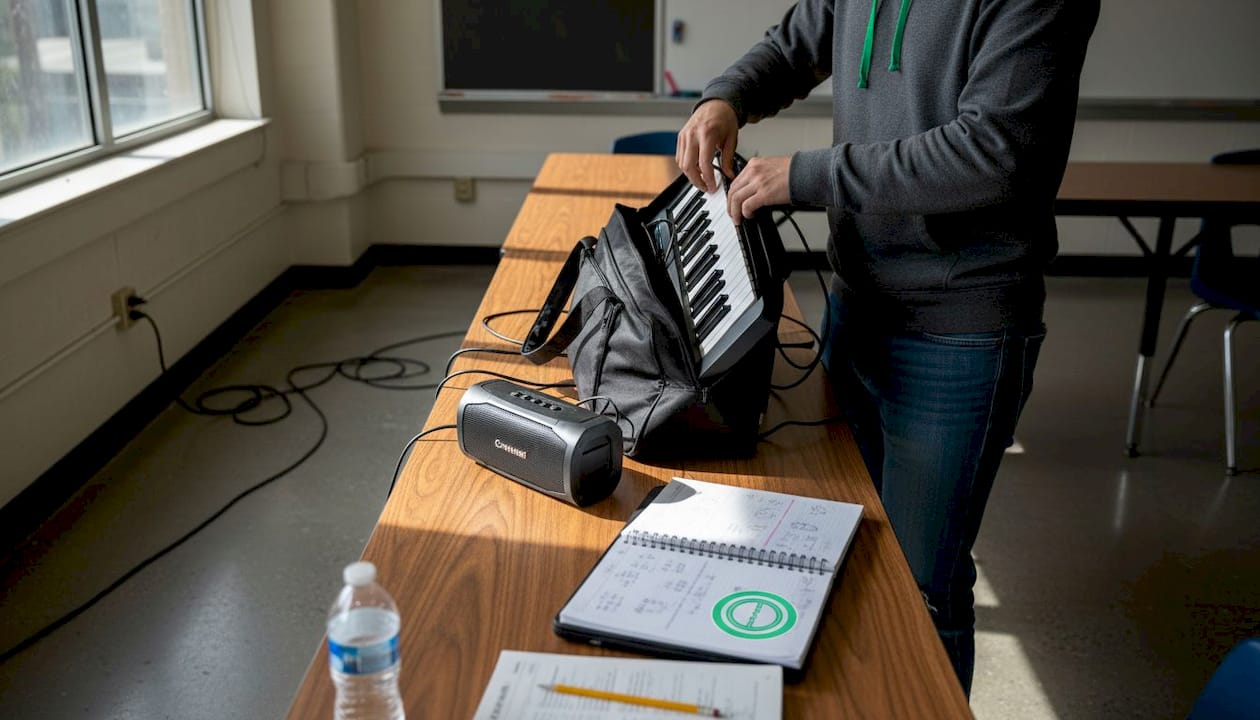
On the practical side, you need three things: a reliable instrument, access to a rehearsal space (school rooms, community centers, and even garages all count), and at least one online platform where musicians in your area gather. On the psychological side, you need patience, genuine curiosity about other musicians, and a willingness to play a supporting role before you lead.
Here's how physical and digital environments compare:
| Environment | Strengths | Limitations |
|---|---|---|
| In-person rehearsal space | Deep connection, real-time feedback | Geographic limits, scheduling friction |
| Online platforms | Wide reach, easy coordination | Shallower bonds, tech dependency |
| Hybrid (both) | Flexibility and depth | Requires more organization |
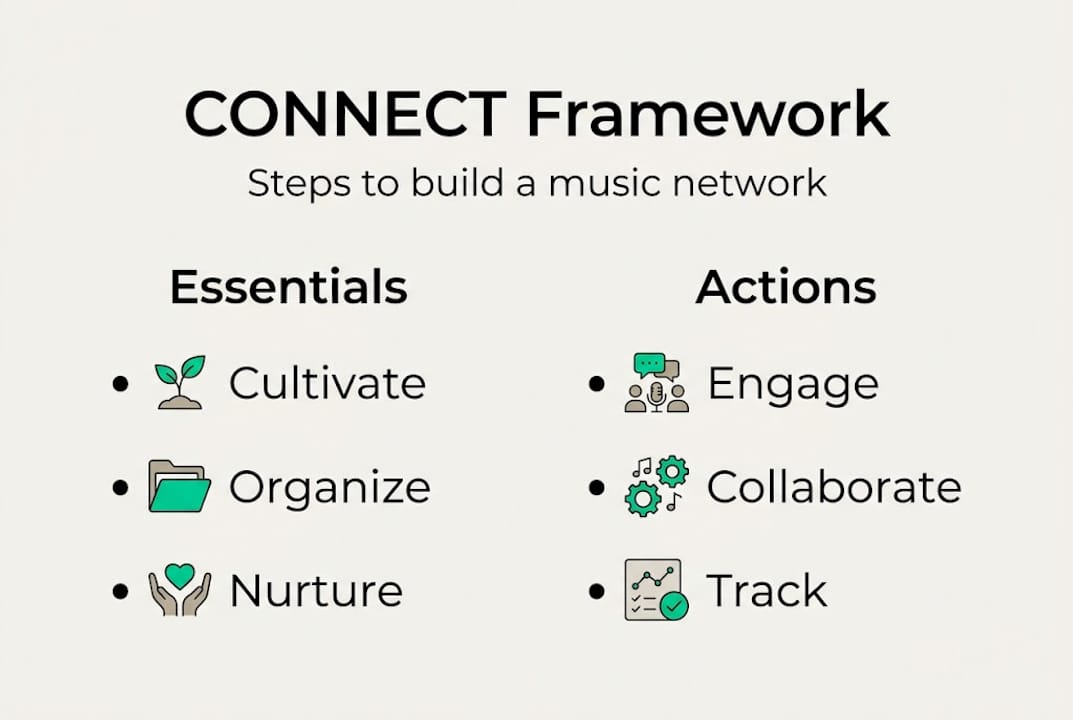
The C.O.N.N.E.C.T. framework offers a structured approach that many music programs now use. It stands for Cultivate, Organize, Navigate, Network, Engage, Communicate, and Track. Each step gives you a concrete action, from identifying who you want to meet to following up after an initial conversation. For students who find networking awkward, having a framework removes the guesswork.
Before your first jam, use a jam session checklist to cover the basics: confirmed venue, clear start and end times, a rough idea of who's attending, and a shared understanding of the session's vibe. For local jam planning tips that go deeper, there are resources that cover everything from sound setup to post-session follow-up.
The C.O.N.N.E.C.T. framework for students also emphasizes that educational institutions are underused networking assets. Your school's practice rooms, faculty connections, and existing ensembles are all entry points.
Pro Tip: Start your networking efforts in the first week of a new semester or school year, not the last. People are more open to new connections at the beginning, and you'll have more time to develop those relationships into something meaningful.
Step-by-step: Organizing and maximizing local jam sessions
A well-run jam session is one of the most powerful networking tools available to music students. Here's how to organize one that actually builds community.
- Find your first five participants. Reach out to classmates, teachers, and anyone you've played with informally. Five to eight people is the ideal starting size.
- Pick a venue that feels low-pressure. A school practice room, a friend's basement, or a local community center all work. Avoid venues that feel too formal or too loud to hear each other.
- Set ground rules before you start. Agree on a key or genre, decide how long each person gets to lead, and make it clear that mistakes are welcome.
- Rotate leadership. Give every participant a chance to suggest a song or direction. This keeps energy balanced and prevents one person from dominating.
- Debrief at the end. Spend five minutes talking about what worked and what to try next time. This single habit separates sessions that grow from sessions that fizzle.
Managing skill levels is one of the trickiest parts. Jam sessions foster improvisation and listening skills precisely because players at different levels push each other. Don't try to create a perfectly matched group. Instead, pair less experienced players with more advanced ones on specific exercises.
| Session phase | Goal | Time allocation |
|---|---|---|
| Warm-up | Loosen up, set tone | 10 minutes |
| Structured play | Practice specific skills | 20 minutes |
| Free improvisation | Explore and connect | 20 minutes |
| Debrief | Reflect and plan next session | 10 minutes |
For deeper jam session tips on group dynamics, and for guidance on networking with jam sessions at a broader level, both resources are worth bookmarking before your first event.
Pro Tip: Assign a quiet, experienced player to personally welcome any newcomer or introvert at the start of each session. That one gesture dramatically increases the chance they return.
Strengthening your network: Community engagement and collaborative opportunities
Your jam session is a starting point, not the finish line. The most durable music networks extend into the wider community through partnerships, events, and shared goals.
Schools that connect with local music organizations, professional learning communities (PLCs), and civic groups create ecosystems where students have ongoing access to mentors, audiences, and collaborative projects. Community engagement through PLCs enhances student networks precisely because it shifts the focus from internal competition to shared learning.
Guidelines for productive partnerships:
- Prioritize education over performance pressure. Events should teach students something, not just showcase them.
- Involve students in planning. When students help organize a community concert or outreach event, they build leadership skills alongside musical ones.
- Maintain consistent contact. A partnership that meets once a year has far less impact than one that meets monthly.
- Document and share outcomes. Photos, recordings, and written reflections help sustain momentum and attract new participants.
Organizing music gatherings for community impact is different from organizing a performance. The goal is connection, not applause.
"Authenticity and sustained engagement are the two factors that separate music networks that thrive from those that disappear after one semester. Students who show up consistently, even when it's inconvenient, are the ones who end up with the deepest connections and the most opportunities."
Look at what community music programs have achieved at scale. Austin High School's music partnerships grew from a single faculty contact into a multi-school collaboration network. School-community music partnerships like these work because they treat every participant as both a learner and a contributor.
Troubleshooting, virtual extensions, and avoiding common mistakes
Even well-planned networks hit walls. Knowing the common failure points in advance saves you months of frustration.
Common pitfalls to avoid:
- Overbooking sessions so that the energy feels rushed and no one connects deeply
- Ignoring skill imbalance until advanced players stop showing up or beginners feel lost
- Neglecting newcomers by assuming they'll find their footing without support
- Relying entirely on digital tools and losing the in-person chemistry that makes networks sticky
- Chasing one-off high-profile events instead of building consistent, low-stakes gatherings
Balancing skill levels and giving introverts a nudge into group participation are two of the most commonly overlooked challenges. Virtual jams expand access significantly, but face-to-face sessions build the kind of trust that leads to long-term collaboration.
Digital jam session tools work best as supplements, not replacements. Use them to coordinate schedules, share recordings between sessions, and keep the conversation going between in-person meetups. For sharing music online in ways that strengthen rather than replace real-world bonds, there are platforms built specifically for musicians.
"Grassroots events built around learning and fun outlast high-profile showcases almost every time. The sessions where nobody is being evaluated are the ones people keep coming back to."
If your network feels stagnant, check these three things: Are new people joining regularly? Is every participant getting a chance to lead? Are sessions ending with a clear plan for the next one? If any of those answers is no, that's your starting point for a fix.
Hard truths and smarter strategies for music networking
Here's what most networking advice gets wrong: it focuses on quantity. More contacts, more followers, more events. But the music students who build networks that actually last are the ones who go deep with a small group before they go wide.
The grassroots jam sessions that grow into thriving communities, like the Roswell Jam that started with 8 attendees and scaled to 70 per session, didn't grow because organizers chased numbers. They grew because the core group showed up every week and made every newcomer feel like they belonged.
Face-to-face connections outlast online encounters by a significant margin. Not because digital tools are bad, but because trust is built through shared physical experience, through watching someone struggle through a difficult passage and cheering when they nail it. That moment doesn't translate through a screen.
The contrarian lesson here is that helping others succeed is the fastest path to your own growth. When you actively promote a peer's gig, recommend a classmate for a collaboration, or spend ten minutes helping a beginner at your jam session, you build a reputation as someone worth knowing. That reputation opens more doors than any self-promotion strategy ever will.
If you want to understand how growing music scenes sustain themselves over time, the pattern is always the same: consistent low-stakes engagement, genuine relationships, and a culture where education beats competition.
Your next steps: Join or create your student music network
You now have the framework, the research, and the practical steps to build a music network that actually lasts. The next move is yours.
JamClub is built specifically for musicians who want to stop practicing in isolation and start connecting with others in their area. Whether you want to find jam sessions near you, join JamClub to access a community of musicians at every skill level, or create your own jam and start building your local scene from scratch, the platform gives you the tools to make it happen. RSVP management, real-time messaging, and session discovery are all free. Your network is one session away.
Frequently asked questions
What's the best way for introverts to start networking in music?
Start by joining small jam sessions where the group is under ten people and the atmosphere is casual. Small jams and supportive environments are among the most effective entry points, especially when you take on a supporting role like rhythm or backing vocals until your confidence builds.
How do I choose between in-person and virtual jam sessions?
In-person jams build deeper trust and more lasting connections, but virtual sessions are a strong supplement when distance or scheduling makes meeting physically difficult. Virtual jams expand access but face-to-face remains the preferred format for meaningful relationship building.
What's the minimum group size for a successful music jam session?
A core group of five to eight musicians creates the right energy and variety while staying easy to manage. The Roswell Jam started with 8 attendees and eventually grew to 70 per session, showing how a small, committed core group can scale naturally over time.
How can schools help students build music networks beyond the classroom?
Schools can sponsor student-led music clubs, organize community performance events, and establish partnerships with local music organizations and PLCs. Community engagement through schools and PLCs consistently expands student networks by connecting them with mentors, audiences, and collaborative opportunities outside the standard curriculum.