
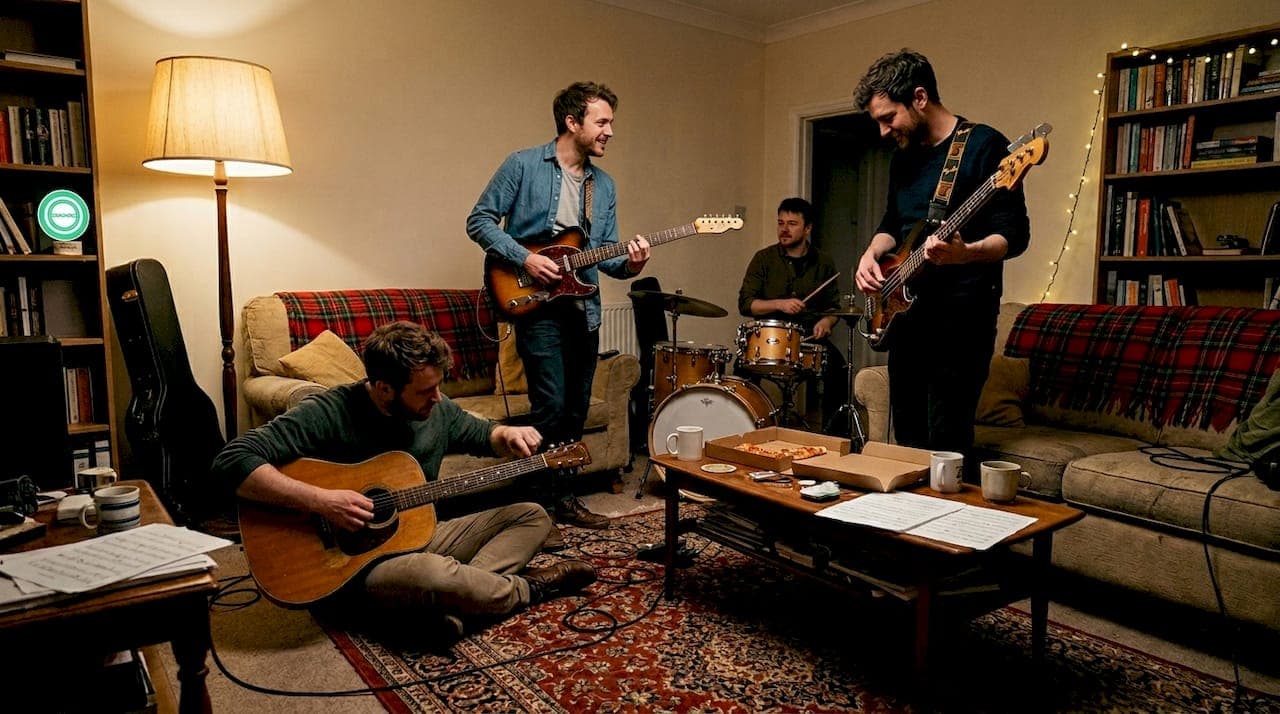
TL;DR:
- Jam sessions foster improvisation, collaboration, and networking among musicians of all skill levels.
- Different formats like jazz, blues, rock, folk, or themed sessions cater to various styles and community needs.
- Proper etiquette and active listening are crucial for a positive experience and building a musician's reputation.
Navigating the world of jam sessions can feel overwhelming when you're staring down a list of open mics, blues nights, jazz standards sessions, and themed events. Jam sessions are informal gatherings built on improvisation and collaboration, but not all of them are created equal. The right session can accelerate your skills, expand your network, and make music feel alive again. The wrong one can leave you standing in the corner holding your guitar. This guide breaks down the major jam session formats, compares their mechanics, and gives you a clear framework for choosing the session that fits your goals and skill level.
Table of Contents
- Understanding jam session basics and selection criteria
- Core types of jam sessions: Jazz, blues, rock, funk, and VGM
- Themed, folk, and acoustic jam sessions: Exploring community and tradition
- Edge cases and jam session dynamics: Group size, skill range, etiquette
- Comparing jam session types: At-a-glance guide
- A fresh perspective: The real value of jam sessions for musicians
- Discover and create your next jam session with JamClub
- Frequently asked questions
Key Takeaways
| Point | Details |
|---|---|
| Jam session formats | Jam sessions include jazz, blues, rock, funk, VGM, folk, and themed variations designed for collaboration and improvisation. |
| Skill-friendly options | Beginners often thrive in blues jams, while jazz and rock sessions offer complexity for advanced musicians. |
| Etiquette matters | Following etiquette, like listening and taking turns, creates better musical collaborations and learning experiences. |
| Community and networking | Themed and folk jams are ideal for building connections and finding performance opportunities. |
| Digital discovery | Platforms like JamClub support easy access and organization for jam sessions locally and globally. |
Understanding jam session basics and selection criteria
A jam session is more than just a bunch of musicians playing in the same room. It's a structured social event with unspoken rules, rotating roles, and a shared musical language. Understanding how they work before you show up is the difference between a great night and an awkward one.
Most sessions start with a leader setting the groove, establishing the key, tempo, and feel. From there, players trade solos, respond to each other's phrases, and signal transitions using nods or head cuts. It's a conversation, not a competition.
Etiquette is everything. Listening first and taking turns soloing, communicating through eye contact, bringing manageable gear, and actively supporting other players are the habits that define a good jam partner. These aren't just social niceties. They're how you build the reputation that gets you invited back.
Before you pick a session, run it through this quick checklist:
- Genre fit: Does the session match your instrument and musical vocabulary?
- Skill level: Is it open to all levels, or is it an advanced players-only night?
- Group size: Smaller groups mean more solo time; larger groups mean more listening.
- Venue vibe: Bar, community center, or rehearsal studio each create different energy.
- Structure: Is there a house band, a sign-up sheet, or a free-for-all format?
Pro Tip: Check out jam session tips and jam session etiquette before your first session. Knowing what to expect turns nerves into excitement.
With the basics defined, let's examine the common types of jam sessions you can experience.
Core types of jam sessions: Jazz, blues, rock, funk, and VGM
Each genre creates a different jam experience. The mechanics, expectations, and social dynamics shift significantly depending on the style. Here's what you need to know about the most popular formats.
Jazz jams use standards and lead sheets, blues sessions center on the 12-bar blues, rock and funk jams blend genres around common progressions, and VGM (video game music) jams use charts sourced from sites like vgleadsheets.com. Each has its own culture.
| Session type | Structure | Skill entry point | Best for |
|---|---|---|---|
| Jazz | Lead sheets, chord changes | Intermediate to advanced | Harmonic development |
| Blues | 12-bar progression | Beginner friendly | Improvisation basics |
| Rock/Funk | Genre-blended progressions | All levels | Energy and groove |
| VGM | Fan-made charts | All levels | Community and fun |
Here's a quick breakdown of what makes each format unique:
- Jazz jams demand harmonic awareness. You'll be expected to navigate chord substitutions, play over changes, and respond to complex melodic ideas in real time.
- Blues jams are the most welcoming entry point. The 12-bar structure is predictable, which gives beginners space to experiment without getting lost.
- Rock and funk jams are groove-focused. Less theory pressure, more feel. Great for players who want to lock in with a rhythm section.
- VGM jams are fan-driven and community-first. The repertoire is specific but the atmosphere is inclusive and enthusiastic.
For a deeper look at how these music group formats compare in practice, it helps to attend at least one of each before committing to a regular session. You can also explore digital jam session tools that help you prepare for specific genres before you show up.
Now that you know the selection criteria, let's look at the core genres and their jam session signatures.
Themed, folk, and acoustic jam sessions: Exploring community and tradition
Beyond the core genres, themed and folk jams offer unique ways to connect and learn. These sessions often carry deep cultural roots and a strong sense of community that you won't always find at a standard open jam.
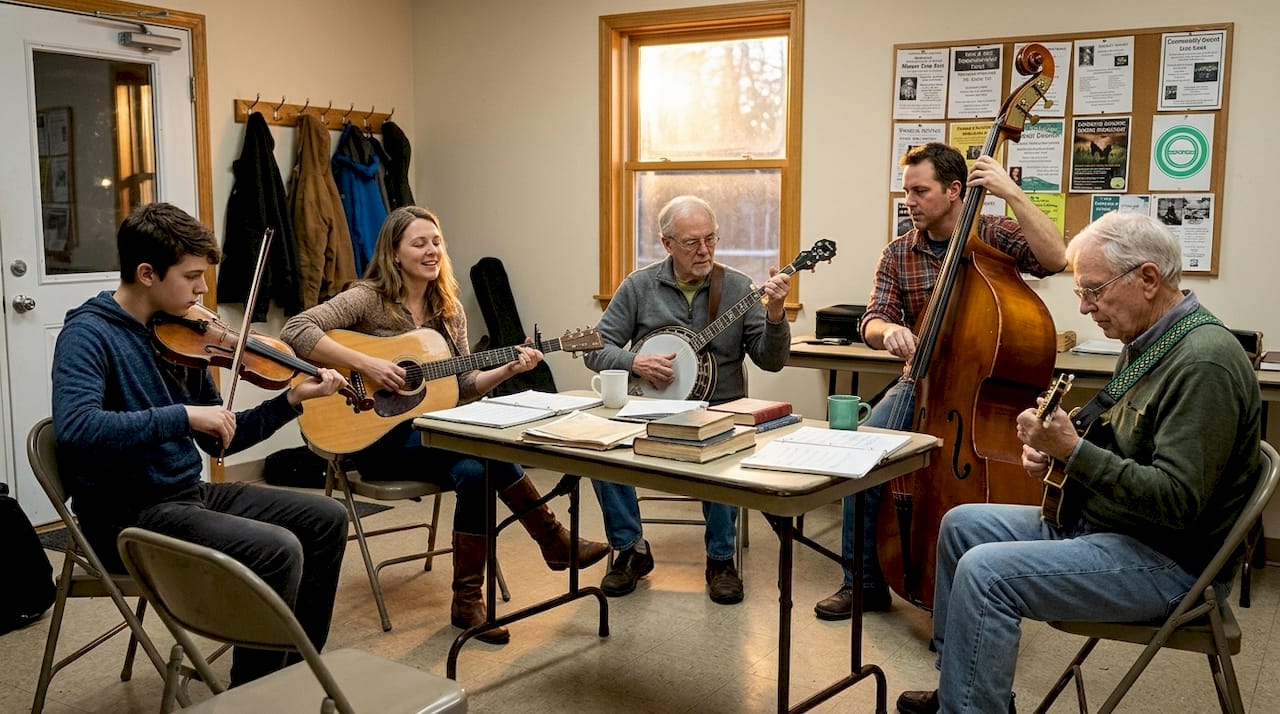
Traditional folk sessions improvise on acoustic tunes, drawing from regional traditions. Themed jams can range from Latin and Indian classical to VGM nights and band karaoke. Each creates a distinct social contract between players.
Folk jams tend to be tune-based rather than chord-based. Players learn a shared repertoire of melodies and then improvise within that framework. It's less about soloing and more about weaving your voice into a collective sound. The acoustic focus also means dynamics matter more. You can't hide behind volume.
Themed jams, especially at events like MAGFest, take community to another level. MAGFest runs jam sessions from early morning to late at night, featuring everything from structured clinics to spontaneous band karaoke where musicians perform as backing bands for vocalists who sign up on the spot.
Here's why themed and folk jams are worth your time:
- They attract musicians who are passionate about a specific tradition, which means deeper conversations and stronger connections.
- The welcoming atmosphere lowers the pressure to perform and raises the reward for participation.
- They often serve as entry points into broader music communities, local societies, and touring networks.
- Band karaoke formats are excellent for vocalists and rhythm section players who rarely get spotlight time at standard jams.
Pro Tip: If you're planning or attending a themed session, use resources like themed jam session planning to understand what makes these events run smoothly. And if you want to understand the broader social impact, community music gatherings offer real insight into why these spaces matter.
Edge cases and jam session dynamics: Group size, skill range, etiquette
Once you understand the main session types, it's important to know how edge cases and group dynamics affect your experience. Not every jam fits neatly into a genre box, and the variables of group size and skill range can completely change the feel of a session.
Large groups of 5 to 50 or more players create real challenges around volume and dynamics. When everyone plays at full intensity, the music collapses into noise. The best large-group jams have informal conductors or experienced players who signal when to pull back.
Beginners and pros navigate the same session very differently. Beginners rely on charts and tend to stay close to the written melody. Pros improvise freely and listen for openings. The tension between these approaches can either create mentorship moments or frustrating disconnects, depending on the room.
"Listen first, take turns soloing, communicate via eye contact and nods." This core etiquette principle applies regardless of session size or genre. It's the one rule that scales.
| Scenario | Challenge | Solution |
|---|---|---|
| Large ensemble (10+ players) | Volume and dynamics | Designate a groove anchor |
| Mixed skill levels | Communication gaps | Use simple charts as a shared reference |
| Noodling between songs | Disrupts flow and focus | Agree on a signal to stop |
| No clear leader | Sessions drift or stall | Rotate the leadership role |
Major gatherings like MAGFest and regional blues societies show that these dynamics are manageable with the right structure. Explore jam session etiquette and musical networking tips to prepare for any scenario.
Comparing jam session types: At-a-glance guide
To make your decision easier, here's a comparison guide summarizing the main jam session types.
Blues jams are simpler with their 12-bar focus, while jazz sessions demand more harmonic complexity. Open jams differ from structured ones with house bands and sign-up sheets. Both amateur-friendly formats still attract pros who use them for talent scouting. Events like MAGFest draw thousands of attendees, while weekly blues society jams keep local scenes alive year-round.
| Session type | Accessibility | Group size | Networking potential | Skill focus |
|---|---|---|---|---|
| Jazz | Intermediate+ | Small to medium | High | Harmony, theory |
| Blues | Beginner+ | Small to large | High | Improvisation, feel |
| Rock/Funk | All levels | Medium | Moderate | Groove, dynamics |
| Folk/Acoustic | All levels | Small | Moderate | Melody, tradition |
| Themed/VGM | All levels | Medium to large | Very high | Community, range |
| Band karaoke | All levels | Large | High | Adaptability |
If you're a beginner, start with blues or a themed VGM session. If you're intermediate, jazz and folk jams will push your ears and your theory. If you're advanced, every format offers something because the real growth happens in unfamiliar territory.
For a practical guide to finding the right session near you, the local jam session guide is a strong starting point.
A fresh perspective: The real value of jam sessions for musicians
Comparison charts help clarify options, but they don't capture what actually happens when you show up and play. The real value of a jam session isn't the genre or the format. It's the invisible skill you build by being in the room.
Etiquette is that skill. Most musicians focus on their playing and ignore how they listen, respond, and support others. But jams build skills and networking precisely because they force you to develop musical empathy. The musicians who get called back, recommended to bandleaders, and scouted by pros are almost never the flashiest players. They're the ones who make everyone else sound better.
Pros use jam sessions as auditions they don't advertise. They watch how you handle a mistake, whether you listen when you're not soloing, and how you respond to a musical cue. That's the real test.
In a digital era where you can record and produce alone, the jam session remains irreplaceable because it's real-time, social, and unpredictable. No plugin replicates that. For beginners, the single best thing you can do is show up, play less than you want to, and listen more than feels comfortable. That restraint is what gets you noticed. Explore musical networking insights to understand how these connections translate into real opportunities.
Discover and create your next jam session with JamClub
You now have a clear picture of what each jam session type offers and how to choose the right one. The next step is actually getting in the room.
JamClub makes it easy to find and create jam sessions wherever you are. Whether you want to join an existing blues night, organize a themed VGM session, or build a regular acoustic circle, the platform gives you the tools to make it happen. You can create a jam session with RSVP management and real-time messaging, or report a jam session that's already happening in your area so other musicians can find it. JamClub is free, community-driven, and built for musicians at every level.
Frequently asked questions
What is a jam session and how do you join one?
A jam session is an informal gathering of musicians focused on improvisation and collaboration. You can join by attending local events or using platforms like JamClub to find sessions near you.
Which jam session type is best for beginners?
Blues jams center on 12-bar progressions with house bands, making them the most accessible format for beginners due to their predictable structure and welcoming atmosphere.
How do jam session etiquette rules improve the experience?
Following etiquette like listening and turn-taking ensures productive collaboration, builds your reputation as a reliable player, and creates the trust that makes great music possible.
Are themed or folk jams good for networking?
Yes, themed and folk sessions offer strong networking because they attract passionate, community-focused musicians. Large events like MAGFest run themed sessions from morning to late night, creating extended time for real connections.
Can digital platforms help musicians find jam sessions?
Digital tools like JamClub make it straightforward to discover, join, and organize jam sessions in your area, connecting musicians across genres and skill levels.