
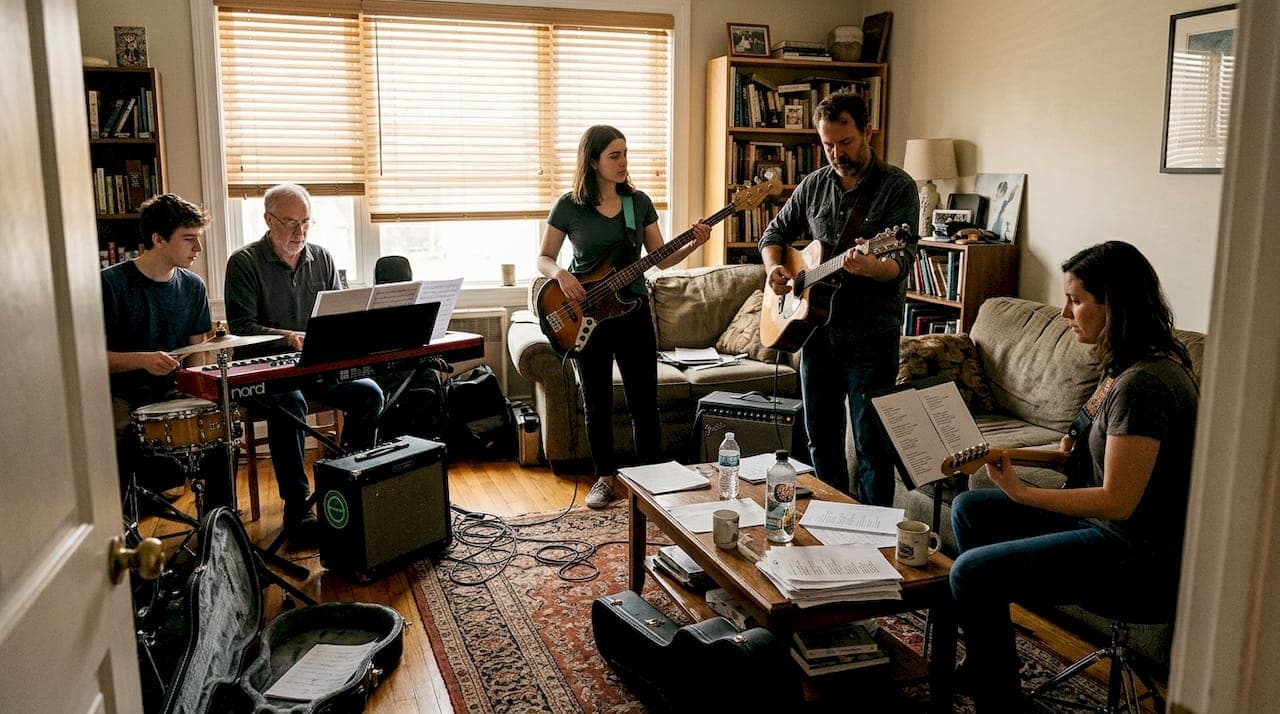
With so many ways musicians can collaborate, picking the right music group format can feel overwhelming. Should you join a structured orchestra, start a rock band, sing in a choir, or just show up to a local jam session? Musical ensembles are categorized by size, instrumentation, genre, and purpose, and each format offers a completely different experience. This guide breaks down the main types of music groups, compares what makes each one tick, and gives you practical tips for making the most of any jam session, whether you're picking up your instrument for the first time or looking for fresh musical challenges.
Table of Contents
- How music groups are defined: Size, instruments, and roles
- Types of music groups: Classics, bands, choirs, and more
- Jam sessions: Where improvisation and collaboration meet
- Choosing the right music group and collaborating successfully
- Why the best jams mix group tradition with improvisational freedom
- Find your music group or jam session today
- Frequently asked questions
Key Takeaways
| Point | Details |
|---|---|
| Group types explained | Understanding size, instruments, and purpose helps you identify the best music group for your goals. |
| Jam session essentials | Successful jams depend on listening, clear cues, and balancing group contributions. |
| Collaboration boosts growth | Mixing structured groups with jam sessions accelerates learning and connection in music. |
| Choose and connect | Pick the group type that excites you—then find or create your opportunity to play together. |
How music groups are defined: Size, instruments, and roles
Before you can choose the right group, you need to understand what separates one type from another. Group definitions come down to four key factors: size, instrumentation, genre, and function. A duo playing folk music at a coffee shop and a 90-piece symphony orchestra are both music groups, but they operate in completely different worlds.
Size is the most obvious dividing line. Chamber groups to orchestras range from as few as 2 musicians to well over 100, and that number shapes everything from rehearsal dynamics to how decisions get made. Small groups tend to be democratic. Larger ensembles usually need a conductor or bandleader to keep everyone aligned.
Roles matter just as much as headcount. Most groups include some version of these core positions:
- Rhythm section: Keeps the groove and tempo (drums, bass, rhythm guitar, piano)
- Soloists: Take the melodic lead or improvise over the rhythm section
- Conductor or bandleader: Directs timing, dynamics, and arrangement choices
- Support voices: Fill harmonic space without dominating (backing vocalists, rhythm horn players)
Here's a quick overview of how common group types stack up:
| Group type | Typical size | Primary function |
|---|---|---|
| Duo/Trio | 2-3 | Intimate performance, practice |
| Chamber ensemble | 2-10 | Classical or acoustic concerts |
| Concert band | 20-80 | Formal wind and percussion performance |
| Orchestra | 40-100+ | Full classical or film score performance |
| Rock/pop band | 3-6 | Recorded and live popular music |
| Choir | 10-200+ | Vocal harmony and choral performance |
| Jam session | 3-20 | Improvisation and informal collaboration |
Understanding these categories is the foundation for building a music community around the right people and the right format for your goals.
Types of music groups: Classics, bands, choirs, and more
Now that you understand what defines a music group, let's explore the key types you'll encounter and what makes each unique. Common group types include chamber ensembles, orchestras, concert bands, rock and pop bands, choirs, folk ensembles, and jam bands, and each carries its own culture, expectations, and learning curve.
Orchestras are the largest and most structured. A symphony orchestra can have over 80 players divided into string, woodwind, brass, and percussion sections, all led by a conductor. Chamber orchestras are smaller, usually 15 to 40 players, and often perform without a conductor.
Bands come in many flavors:
- Concert bands use wind and percussion instruments in a formal setting, common in schools and military contexts
- Jazz bands or big bands feature brass, reeds, and a rhythm section, with room for improvised solos
- Rock and pop bands typically include guitar, bass, drums, and vocals, built around recorded and live performance
- Folk ensembles use acoustic instruments and often emphasize traditional or regional repertoire
Choirs focus entirely on voices. The classic SATB structure (soprano, alto, tenor, bass) divides singers by range and creates rich harmonic layers. Choirs can be religious, classical, pop-focused, or community-based.
Jam bands are a category of their own. They prioritize live improvisation, often stretching songs far beyond their studio versions and varying setlists from show to show. Live group performances in the jam band world are never quite the same twice, which is a big part of the appeal.
Here's a comparison to help you decide which format fits your style:
| Group type | Structure level | Improvisation | Best for |
|---|---|---|---|
| Orchestra | Very high | Very low | Classical training, precision |
| Concert band | High | Low | Wind players, formal settings |
| Jazz band | Medium | High | Improvisers, theory lovers |
| Rock/pop band | Medium | Medium | Songwriters, performers |
| Choir | High | Low | Vocalists, harmony lovers |
| Jam band | Low | Very high | Experimental, creative players |
| Jam session | Very low | Very high | All skill levels, social playing |
If you're still exploring your options, finding music groups in your area is a great way to experience a few formats before committing to one.
Jam sessions: Where improvisation and collaboration meet
Among all these group types, jam sessions stand out for their flexible, collaborative approach. Here's what sets them apart.
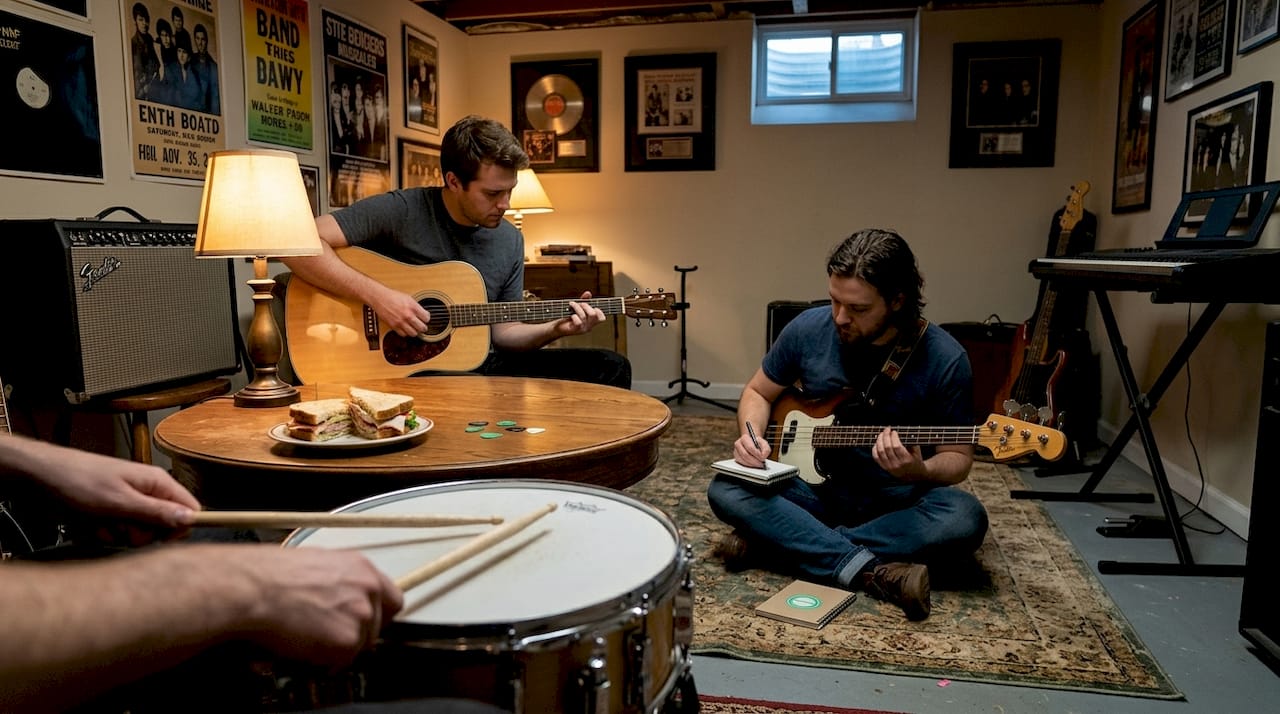
Jam sessions are informal, improvisational gatherings that emphasize listening, turn-taking, and shared repertoire. Unlike a rehearsed band with a setlist, a jam session has no script. Someone calls a key, a genre, or a familiar song, and everyone figures it out together in real time.
The core mechanics of a successful jam come down to a few habits:
- Listen before you play. Understand the groove, the key, and the mood before adding your voice to the mix.
- Hold down the rhythm. A steady tempo is more valuable than flashy licks. If the rhythm wobbles, everything falls apart.
- Use visual cues. Eye contact and nods signal when you're passing a solo or changing a section.
- Keep solos short. One or two choruses is usually enough. Leaving space for others is what makes jams feel collaborative rather than competitive.
- Respect the gear and the volume. Especially in smaller venues, matching the room's energy keeps things enjoyable for everyone.
Jam sessions are popular across genres including blues, jazz, bluegrass, rock, and funk. Each genre has its own unwritten rules, but the core principle stays the same.
"Jam sessions build skills through real-time improvisation and networking. The players who thrive always prioritize listening over showing off."
Pro Tip: If you're new to jamming, start with a well-known blues progression in a common key like A or E. It gives everyone a familiar framework so you can focus on listening and responding rather than memorizing changes.
For a full breakdown of what to bring and expect, check out this jam session checklist before your first event.
Choosing the right music group and collaborating successfully
With an understanding of both formal groups and jam sessions, you're ready to select your next group setting. The right choice depends on what you actually want to get out of the experience.
Ask yourself these questions first:
- Are you focused on skill growth? Structured groups like orchestras or concert bands push technical precision.
- Do you want a social experience? Jam sessions and community choirs tend to be more welcoming and flexible.
- Are you chasing performance opportunities? Rock bands and jazz ensembles often gig regularly.
- Do you want to explore new genres? Jam sessions let you experiment without long-term commitment.
Group size also shapes your experience in ways that aren't obvious at first. In a large ensemble, you're one voice among many, which can feel supportive but also anonymous. In a trio or jam session, every note you play is heard clearly, which accelerates growth but also raises the stakes.
Successful jams need a critical mass of balanced instruments and experienced leaders to keep things from turning into musical chaos. When you're evaluating a session to join, look for events that advertise a mix of skill levels and have a designated host or house band.
Pro Tip: When you're new to a group, arrive early, introduce yourself, and ask what keys or songs are common. That small effort signals respect and gets you invited back.
Building relationships is as important as the music itself. Focus on building your music network by showing up consistently, being easy to play with, and offering encouragement to others. If you're ready to host your own event, planning your own jam is more straightforward than it sounds. And if you're looking for players to connect with, start connecting with musicians in your local scene before you even show up to a session.
Why the best jams mix group tradition with improvisational freedom
Here's something most guides miss about real-world music collaboration: the musicians who grow fastest aren't the ones who pick one format and stick to it forever. They're the ones who move fluidly between structured ensembles and open jam sessions, borrowing the discipline of one and the spontaneity of the other.
Conventional wisdom says you need to choose. Join the orchestra or start a band. Practice your scales or just jam. But that framing is a false choice. A guitarist who spends time in a jazz big band learns to read dynamics and blend. The same guitarist at a blues jam learns to react, take risks, and recover gracefully when something goes sideways. Both skills are essential.
The most memorable musical moments usually come from people who know the rules well enough to break them at exactly the right time.
"Great collaborators learn the rules of each group, then break them creatively at just the right time."
Blending structure with improvisation also builds confidence in ways that neither approach achieves alone. Structured groups teach you to execute under pressure. Jam sessions teach you to create under pressure. Together, they make you adaptable, which is the one quality every bandleader, producer, and fellow musician values most. Explore how music sharing and community can accelerate this process by connecting you with players who challenge and inspire you.
Find your music group or jam session today
Ready to try out a new group or jam session? Everything you've read here becomes real the moment you're in a room with other musicians, listening and responding in real time.
JamClub makes it easy to take that next step. Whether you want to find or create jam sessions near you or connect with musicians who share your style and goals, the platform gives you the tools to make it happen. RSVP management, real-time messaging, and a growing JamClub community mean you spend less time organizing and more time playing. It's free to use, open to all skill levels, and built specifically for musicians who want to collaborate, grow, and have fun making music together.
Frequently asked questions
What is the difference between a band, orchestra, and ensemble?
Bands typically feature guitars and drums in popular music settings, orchestras use strings, winds, and a conductor for classical performance, and ensembles by size can refer to any group defined by instrumentation and function. The term ensemble is the broadest of the three.
How do I find a jam session near me?
Try platforms like JamClub to locate local jam sessions and connect with musicians who match your style and skill level. You can also check local music stores, community boards, and social media groups for open jams in your area.
What are the basic rules for joining a jam session?
Listen before playing, keep your rhythm steady, take short solos, use eye contact and nods for cues, and always respect others' gear and volume. The goal is conversation, not competition.
Are jam bands different from other music groups?
Yes. Jam bands focus on extended live improvisation and varying setlists, while typical bands follow rehearsed arrangements and consistent song structures. The experience of seeing a jam band live is fundamentally different from a standard concert.