
TL;DR:
- Group music gatherings enhance real-time improvisation, listening, and emotional bonding skills.
- Organizing effective jam sessions requires planning around size, instrument mix, and clear communication.
- Platforms like JamClub simplify connecting musicians, managing RSVPs, and fostering collaborative creativity.
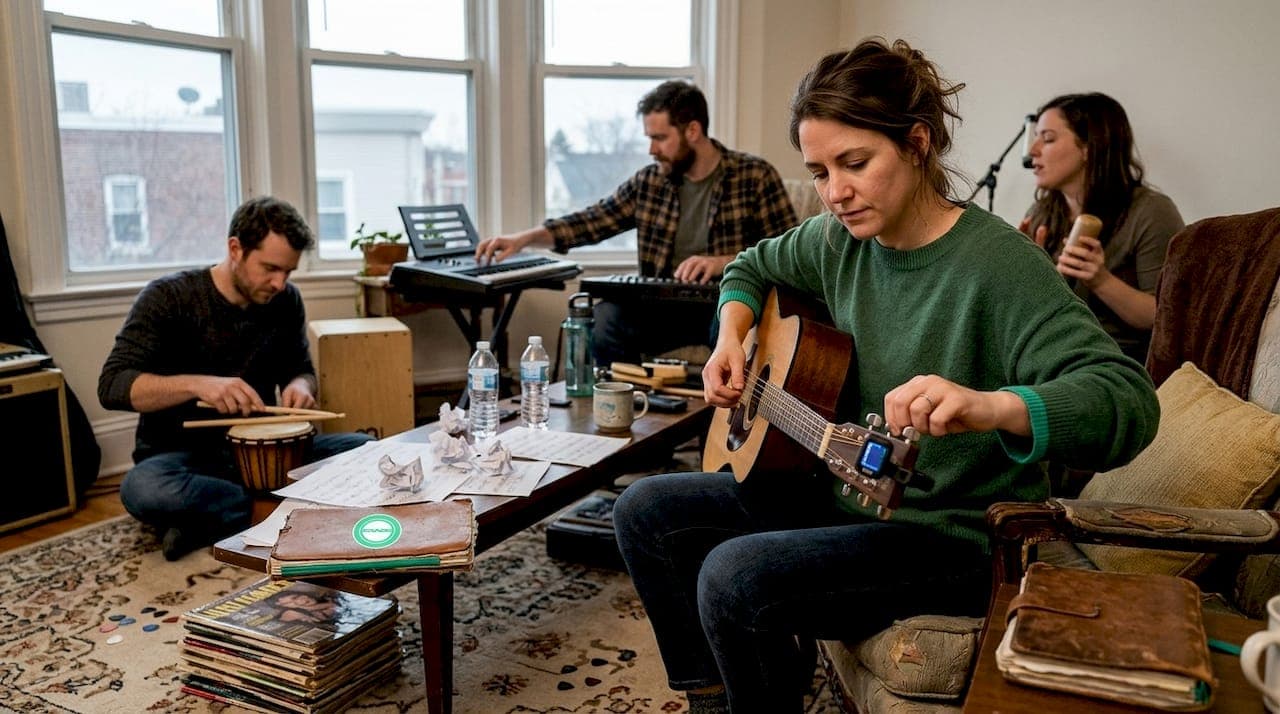
Making music with others isn't just enjoyable. It's one of the fastest ways to grow as a musician. Jam sessions foster improvisation, listening, adaptability, timing, and ear training in ways that solo practice simply cannot replicate. Whether you're a weekend strummer or a gigging professional, organized music gatherings unlock creative breakthroughs, build lasting friendships, and push your playing into territory you'd never reach alone. This article walks you through the real benefits of group music-making, how to organize sessions that actually work, and how to solve the common problems that trip up even experienced hosts.
Table of Contents
- The core benefits of music gatherings
- From solo practice to shared creativity: What changes?
- The mechanics of organizing music gatherings
- Common challenges and unique solutions
- A fresh perspective: What most musicians miss about organized gatherings
- Discover, connect, and grow on JamClub
- Frequently asked questions
Key Takeaways
| Point | Details |
|---|---|
| Skill boost | Organized music gatherings rapidly develop improvisation, adaptability, and listening skills for every musician. |
| Community building | Music gatherings forge lasting relationships, networks, and collaborations that cannot happen in isolation. |
| Emotional and health benefits | Playing music together reduces stress and increases happiness through synchrony and neurochemical changes. |
| Practical organizing tips | A well-balanced participant mix, respect, clarity, and fun are essential to successful jam sessions. |
| JamClub advantage | JamClub offers powerful tools to match skills, plan sessions, and connect musicians locally and virtually. |
The core benefits of music gatherings
Now that you know how collaborative music-making accelerates skill and creativity, let's look at the core benefits that keep musicians coming back.
The skill gains are real and measurable. When you play with others, you can't pause and replay a section. You adapt in real time, train your ear to track multiple instruments at once, and develop the kind of timing that a metronome alone will never teach you. These are the benefits of musical gatherings that experienced players talk about most.
Beyond technique, the social rewards are just as significant. Music gatherings build community, networks, and social connections among musicians, leading to collaborations and friendships that often outlast any single session. You meet people who play differently, think differently, and challenge your assumptions about what a song can be.
The health and emotional benefits are backed by science, too. Group music making enhances emotional synchrony, shared flow, social bonding, and reduces stress through neurochemical changes including increased dopamine and oxytocin. In plain terms: playing together genuinely makes you feel better.
Here's a quick summary of what organized music gatherings deliver:
- Skill development: improvisation, real-time listening, adaptability, timing, and ear training
- Community growth: new friendships, collaborations, and a stronger local music network
- Emotional rewards: reduced anxiety, elevated mood, and a sense of belonging
- Creative expansion: exposure to new genres, techniques, and musical ideas
- Health benefits: lower stress hormones and a boost in feel-good neurochemicals
"The moment you play with someone else, you stop practicing music and start living it. That shift changes everything."
Exploring music community building through regular gatherings compounds these benefits over time. Each session adds another layer of trust, skill, and creative vocabulary to your musical life.
From solo practice to shared creativity: What changes?
Understanding the benefits is important, but how do group music gatherings compare to solo practice?
Solo practice is essential. It's where you build technique, memorize chord shapes, and iron out the rough edges in your playing. But it has a ceiling. Without another musician to respond to, you're essentially rehearsing for a conversation you never have.
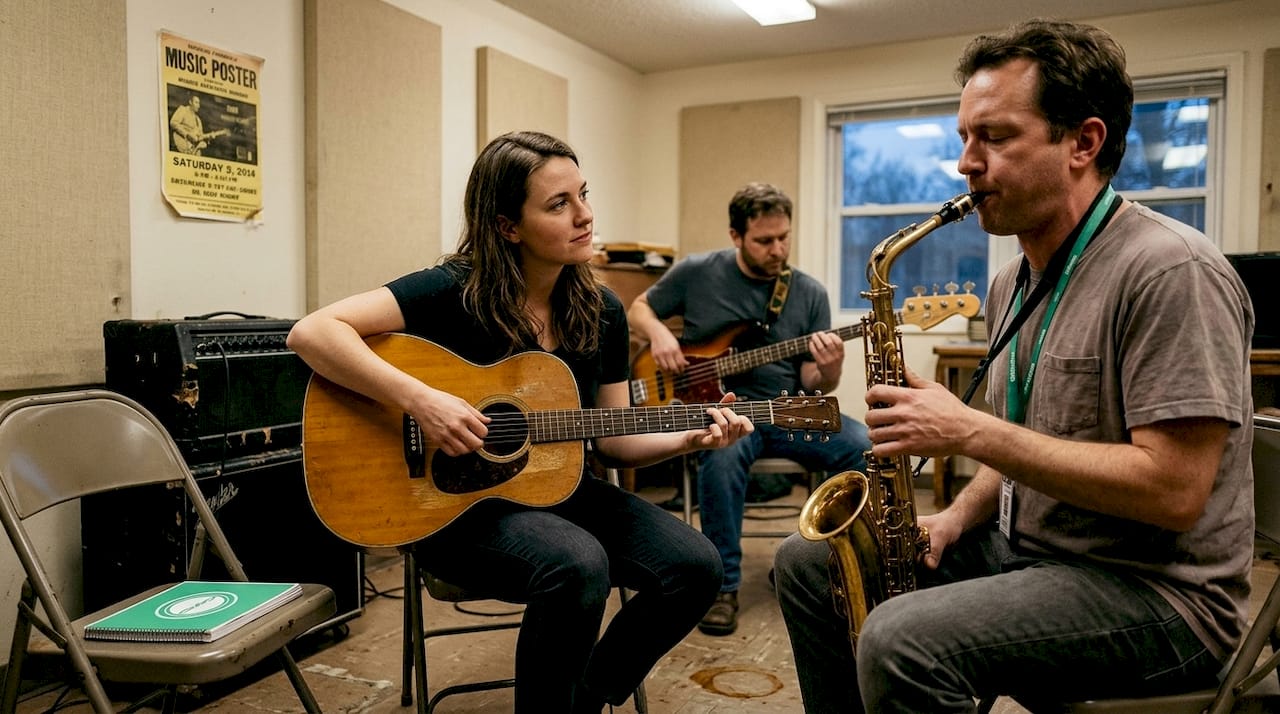
Group sessions change the dynamic completely. You listen differently. You leave space. You react. Research shows that improvisatory approaches in group music lead to higher audience and participant engagement, better perceived musical convincingness, and multiscale synchronization dynamics. That's a scientific way of saying: when a group lets go and plays together freely, something special happens that neither recordings nor solo sessions can manufacture.
| Factor | Solo practice | Group music gathering |
|---|---|---|
| Skill focus | Technique and repetition | Adaptation and listening |
| Creative range | Self-directed | Expanded by others' ideas |
| Emotional impact | Personal satisfaction | Shared flow and bonding |
| Engagement level | Internal | Interactive and dynamic |
| Health benefits | Moderate | Higher via synchrony |
Group singing, for example, has been shown to boost immune function beyond what solo vocal practice achieves. The physical act of synchronizing breath and rhythm with others triggers responses in the body that solo work simply doesn't reach.
Pro Tip: If you're new to group sessions, start by focusing on listening more than playing. The musicians who make every jam feel good are usually the ones who leave the most space.
For more on making the most of these dynamics, check out these group music session tips and explore how music scenes creativity thrives when musicians gather regularly.
The shift from solo to shared music-making isn't just a change in setting. It's a change in how you think about music itself.
The mechanics of organizing music gatherings
With those differences in mind, let's dive into how to organize a gathering that really delivers.
Good sessions don't happen by accident. They're designed. The most important factor is critical mass: aim for 5 to 10 participants with a healthy mix of instruments and experience levels. Too few players and the energy falls flat. Too many and it becomes chaotic.
Here's a step-by-step framework for organizing a session that works:
- Define your session intent. Is this a casual hang, a genre-specific jam, or a structured workshop? Clarity upfront saves confusion later.
- Set skill level expectations. Be honest about whether the session is beginner-friendly, intermediate, or open to all. This prevents mismatches.
- Curate the instrument mix. Aim for rhythm, melody, and harmony representation. A room full of lead guitarists is fun for about ten minutes.
- Include at least one experienced guide. Veteran players help steer the energy, suggest keys, and keep things moving when momentum stalls.
- Communicate jamiquette. Respect, active listening, taking turns, and prioritizing fun over ego are the unwritten rules every gathering needs stated out loud.
- Choose the right venue. Sound bleed, parking, and equipment access all affect whether people come back.
| Session element | Recommended approach |
|---|---|
| Group size | 5 to 10 players |
| Instrument mix | Rhythm, melody, harmony balance |
| Skill range | Clearly communicated in advance |
| Session length | 2 to 3 hours with breaks |
| Key guide | At least one experienced player |
Pro Tip: Send a simple one-page session brief before the gathering. List the genre, key signatures you'll likely use, and any songs to know. It lowers anxiety for beginners and sets expectations for everyone.
For deeper planning support, explore these jam session planning tips and use a solid music session checklist to make sure nothing gets missed.
Common challenges and unique solutions
Even the best-planned gatherings face hiccups. Here's how to anticipate and solve them.
The most common problems in music gatherings are predictable, which means they're also preventable. Too few or too many participants cause lack of energy or chaos. Skill mismatches happen when levels and genres aren't clearly communicated. Shy beginners need encouragement. Noise and venue issues can derail even a well-organized session. And online jams require earphones and careful muting to manage latency.
Here's how to tackle each one:
- Low turnout: Use RSVP tools and send reminders 48 hours before. Invite a few more people than your ideal number, since cancellations are common.
- Skill mismatches: Filter by experience level when inviting players. Be transparent in your session description about what's expected.
- Shy beginners: Pair them with patient, encouraging players early in the session. Give them a defined role, like keeping a simple rhythm, so they feel useful rather than lost.
- Venue noise issues: Scout the space in advance. Test volume levels and check for sound bleed into neighboring areas.
- Online latency: Use low-latency audio tools, ask everyone to mute when not playing, and use headphones to prevent echo.
Pro Tip: For online sessions, designate a session leader who controls the flow and calls on players one at a time during busier moments. It prevents the chaotic overlap that kills virtual jams.
Platforms like JamClub are built to solve many of these problems directly. Collaborative music making for all skill levels becomes far more accessible when you have tools to match genres, manage RSVPs, and communicate in real time. Explore options for online music sharing and local music networking to extend your reach beyond a single venue.
A fresh perspective: What most musicians miss about organized gatherings
Beyond day-to-day organizing, there's a deeper layer to what music gatherings deliver.
Most musicians focus on synchrony: everyone locking into the same groove, the same key, the same feel. And that's genuinely powerful. But the most creative moments in group music often come from the opposite. Familiarity and co-presence increase relational plasticity and allow exploration of dissensus, meaning "against" modes, for creativity in free improvisation, balancing cooperation with divergence.
In simpler terms: the tension between agreement and disagreement is where musical ideas evolve. When a group is comfortable enough to push back, to try something unexpected, to briefly fall out of sync and find their way back, that's when real creativity happens.
There's also a nuance worth noting about engagement. Improvisatory styles may reduce movement synchrony yet enhance subjective experience. Active group engagement delivers more health and emotional benefit than passive listening. Showing up and playing, even imperfectly, beats watching from the sidelines every time.
The music community building process works best when musicians stop chasing perfection and start chasing connection. That's the shift most organized gatherings, when done well, quietly encourage.
Discover, connect, and grow on JamClub
If you're ready to organize or join a gathering, JamClub makes the process seamless.
JamClub is built specifically for musicians who want to stop playing alone and start building something together. Whether you're looking for a casual local session or want to host your own structured jam, the JamClub platform gives you the tools to find the right players, manage RSVPs, and communicate in real time.
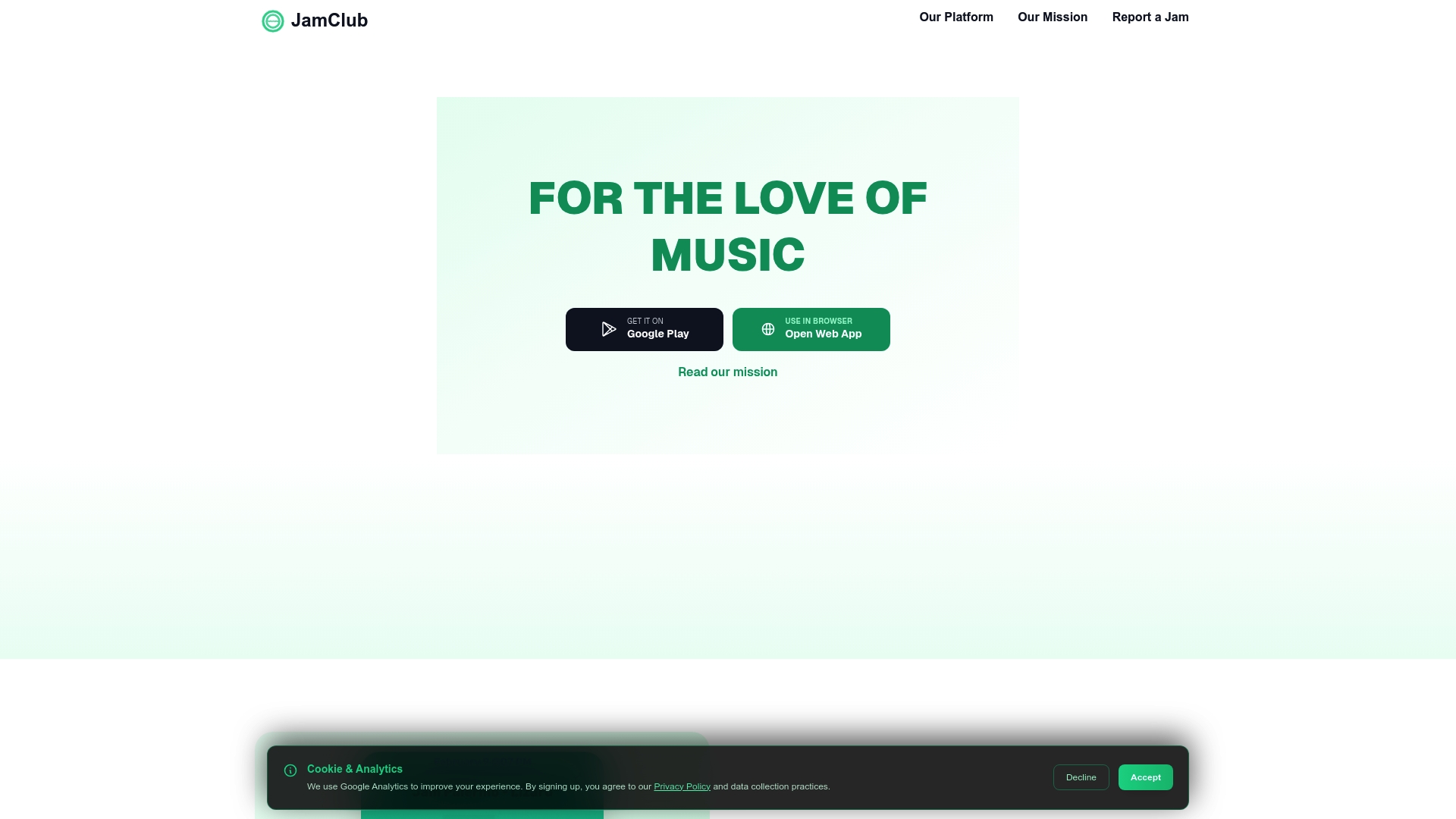
You can filter by instrument, genre, and skill level so every session starts with the right mix. Hosting is straightforward: create a jam session, set your parameters, and let the community come to you. JamClub is free to use, which means the only thing standing between you and your next great musical experience is showing up. The benefits you've read about here are real. The best way to feel them is to play.
Frequently asked questions
How do music gatherings help develop musical skills?
Jam sessions foster improvisation, listening, and adaptability far more effectively than solo practice, because they require real-time response to other musicians rather than isolated repetition.
What's the ideal group size and mix for a jam session?
Aim for 5 to 10 participants with a mix of instruments and experience levels to maintain balanced energy and creative momentum.
How does group music making impact health and happiness?
Making music together reduces stress and increases positive neurochemicals like dopamine and oxytocin, producing measurable emotional and physical benefits beyond what solo playing delivers.
What are common challenges in organizing music gatherings?
Challenges include achieving the right mix of participants, managing skill mismatches, handling venue noise, and addressing latency issues for online sessions.
What makes platforms like JamClub valuable for organizing jams?
JamClub helps match skills and genres, build critical mass through invites, and provides tools for both in-person and virtual jam sessions, making organized gatherings accessible for all skill levels.