
TL;DR:
- Spontaneous music gatherings are informal sessions focused on improvisation, collaboration, and enjoyment.
- Preparation, openness, and supportive attitudes are key to successful and enjoyable jams.
- These gatherings foster musical growth and strengthen local music communities.
You know that feeling when you hear music drifting out of a cafe window and think, "I wish I was part of that"? Most musicians feel it. The craving for authentic, unplanned moments of creativity is real, but finding or sparking those moments can feel overwhelming. Where do you even start? This guide walks you through everything: what spontaneous music gatherings actually are, how to prepare, where to find them, how to host your own, and why the whole experience is worth every awkward first note.
Table of Contents
- What are spontaneous music gatherings and why do they matter?
- Tools, preparation, and mindset for joining spontaneous jams
- How to find or spark a spontaneous music gathering
- Troubleshooting: Common challenges and solutions
- How spontaneous gatherings impact musicians and communities
- A fresh perspective on music spontaneity
- Connect, create, and share with JamClub
- Frequently asked questions
Key Takeaways
| Point | Details |
|---|---|
| Anyone can join | Spontaneous music gatherings are open to all skill levels and help build lasting friendships. |
| Preparation matters | A little readiness with your gear and mindset makes joining jams far more rewarding. |
| Community impact | Every spontaneous session strengthens the local music culture and sparks new creativity. |
| Easy to get started | Finding or starting a jam is simple with the right tools and a welcoming attitude. |
What are spontaneous music gatherings and why do they matter?
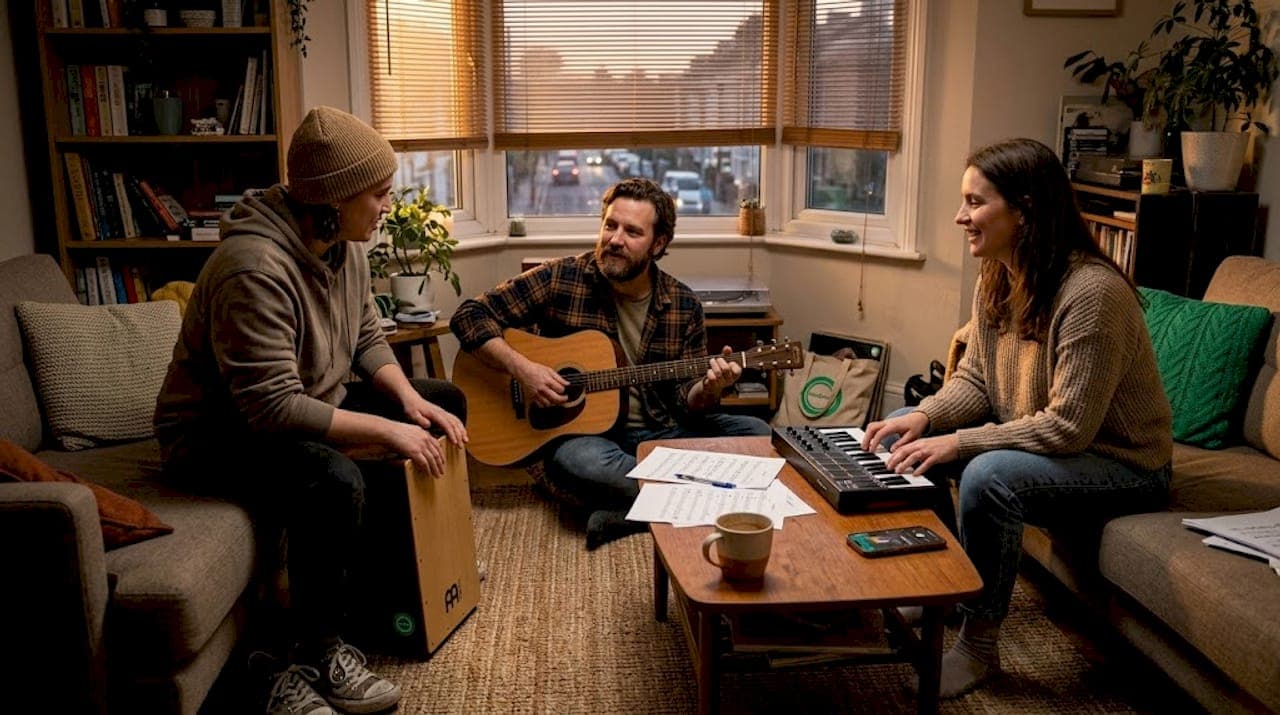
A spontaneous music gathering is any informal, loosely organized session where musicians come together to play, often without a set program or rigid structure. Think of it as the opposite of a formal rehearsal. Nobody is auditioning. Nobody is graded. The goal is simply to make music together and see what happens.
These sessions go by many names: jam sessions, open mics, pickup sessions, or circle jams. But the common thread is openness. You show up, you plug in, and you play. As spontaneous music gatherings provide unique opportunities for collaboration and connection, the benefits reach well beyond just having fun on a Tuesday night.
Here is why musicians of all levels keep coming back:
- Creative growth: When there is no script, you are forced to listen, adapt, and improvise. That pressure builds real musical instinct.
- Networking: You meet guitarists, bassists, drummers, and vocalists you would never encounter in a formal setting.
- Confidence building: Playing in front of strangers in a low-stakes environment is one of the fastest ways to kill stage fright.
- Pure joy: Sometimes music is most alive when it is unplanned.
Compare this to a formal rehearsal, where every note is accounted for and mistakes are corrected. Rehearsals sharpen precision. Spontaneous jams sharpen feel. Both matter, but they develop different parts of you as a musician. You can explore different types of jam sessions to find the format that fits your style best.
"The most important thing I learned from jams was how to listen before I played. That changed everything about how I approach music."
Spontaneous gatherings also build something bigger than individual growth. They create local scenes. They connect neighborhoods. They turn strangers into bandmates and bandmates into lifelong friends.
Tools, preparation, and mindset for joining spontaneous jams
Showing up prepared makes all the difference between a great jam and an awkward one. Proper preparation leads to better musical experiences in group settings, and that starts before you even leave the house.
Here is a quick checklist of what to bring:
- Your instrument, tuned and ready to play
- A clip-on tuner or tuning app as backup
- Sheet music, chord charts, or a digital device with your go-to songs saved
- A small amp or adapters if your instrument needs them
- Water and a light snack (long jams are real)
- An open mind, which honestly belongs at the top of this list
| Tool | Why it matters |
|---|---|
| Clip-on tuner | Lets you tune silently between songs without interrupting others |
| Chord chart folder | Gives you quick reference without fumbling through a phone |
| Extra strings/picks | Gear fails at the worst times. Be the person who has spares. |
| Portable amp/cable | Venues vary wildly. Bringing your own gear avoids dependence on house setup. |
| Water bottle | Stays hydrated, stays focused, plays better |
Gear matters, but mindset matters more. The golden rule at any jam is to listen twice as much as you play. Nobody remembers the person who played the loudest. They remember the person who made everyone else sound better. Check out jam session tips for all music groups to go deeper on group dynamics.
Pro Tip: Want to get invited back? Be the most supportive person in the room. Nod along, leave space, and cheer for others. Generosity sounds great in any key.
Flexibility is also key. The song might change key mid-phrase. The drummer might switch tempos. Someone might suggest a genre you have never played. Say yes. That is where the magic lives.
How to find or spark a spontaneous music gathering
Technology and music communities have made discovering local jams easier than ever. But knowing where to look still takes some guidance.
Here are the best places to start your search:
- Search local music apps and platforms. JamClub lets you find nearby sessions in real time, filtered by genre, skill level, and date.
- Check community boards. Libraries, music schools, and coffee shops often post paper flyers for informal music events.
- Ask your local music store. Staff at instrument shops are usually plugged into the local scene and love to connect musicians.
- Join online groups. Facebook groups, Reddit communities, and neighborhood apps often have active music meetup threads.
- Attend open mic nights. These are often launching pads for spontaneous jams that form before or after the official event.
- Start one yourself. If nothing exists in your area, be the spark. Invite two or three musician friends, pick a casual location, and post it publicly.
| Method | Pros | Cons |
|---|---|---|
| Music apps (like JamClub) | Fast, location-based, real-time updates | Requires internet access |
| Community boards | Free, visible to all ages | Updated infrequently |
| Social media groups | Wide reach, easy to share | Can get lost in noise |
| Word of mouth | Trusted recommendations | Limited reach |
| Open mic nights | Built-in musician crowd | Fixed schedule only |
For anyone ready to take the hosting leap, planning jam sessions does not need to be complicated. A location, a time, and an open invite is all you need to start.
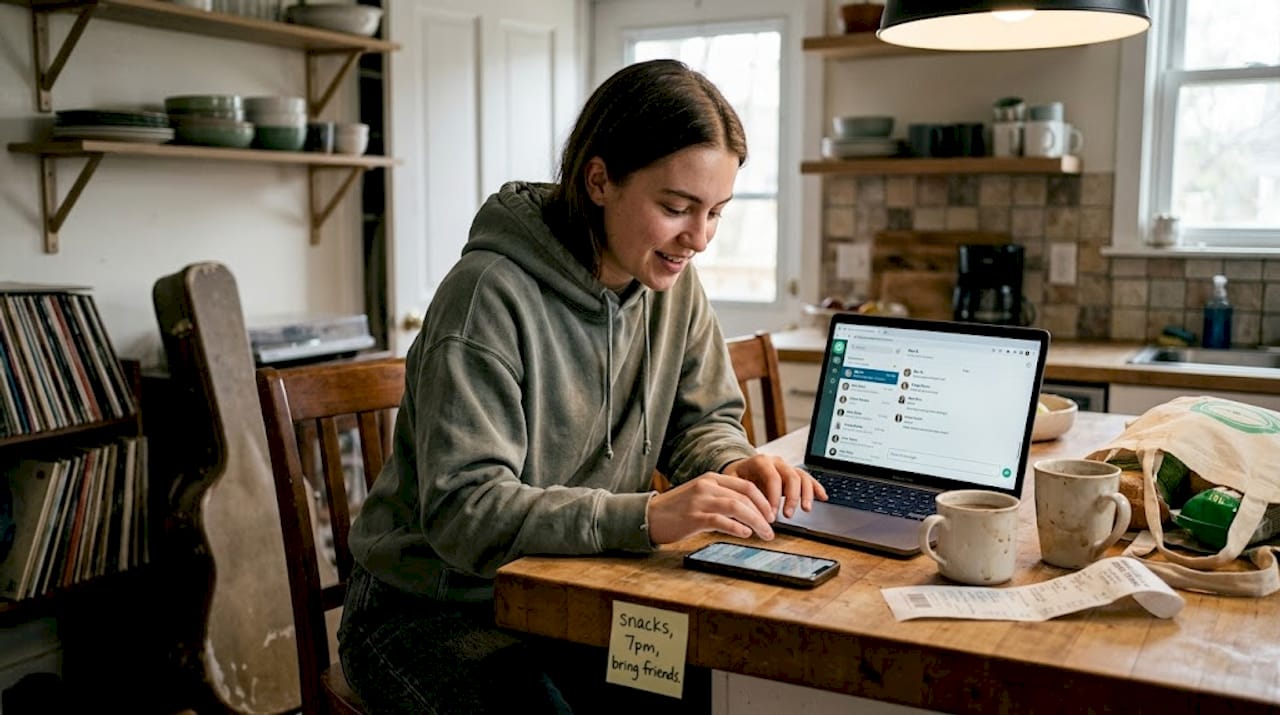
Pro Tip: After attending any open mic or music event, hang around afterward. That post-event energy is where spontaneous jams naturally form, and you will already know everyone in the room.
Using JamClub's tools makes the whole process smoother, whether you are trying to find a session or organize one for the first time.
Troubleshooting: Common challenges and solutions
Even the best jams hit rough patches. Effective troubleshooting is key for enjoyable, welcoming jam sessions, so knowing how to handle common issues before they happen keeps the energy positive.
Here are the most common problems and how to fix them:
- Clashing musical styles: Happens often. Solution: agree on a key and a simple groove before starting. Establish a common foundation and branch out from there.
- One person dominating: It kills the vibe fast. The group can gently redirect by starting a new section or song and inviting someone else to lead.
- Venue noise or space issues: Always scout the location beforehand if possible. Bring earplugs and keep volume conversations casual and friendly.
- Nerves or freezing up: Totally normal. Start by playing rhythm instead of lead. Support the groove until you find your confidence.
- Skill level mismatches: Pair experienced players with beginners intentionally. It teaches both sides something valuable.
"The best hosts I've seen don't just manage music, they manage energy. They read the room, rotate who leads, and make sure every person feels heard."
Inclusion is not just a nice idea. It is what keeps a jam community growing. Welcome every instrument. Welcome every level. Make it clear that mistakes are part of the process, not something to apologize for. Resources on music sharing and collaboration can help you build that culture intentionally.
How spontaneous gatherings impact musicians and communities
The effects of regular jam participation go far beyond the session itself. Regular participation strengthens personal skills and local networks in measurable ways.
Skills you build by showing up consistently:
- Ear training and real-time listening
- Improvisation and quick musical decision-making
- Genre fluency, learning to play across styles
- Stage presence and comfort performing in front of others
- Networking and relationship building with other local musicians
Beyond individual growth, these gatherings create ripple effects in the broader community. New bands form. Local venues start hosting regular sessions because they see the demand. Musicians who met at a Wednesday night jam end up collaborating on recordings, teaching each other, and opening for bigger acts. That chain reaction starts with one open invitation.
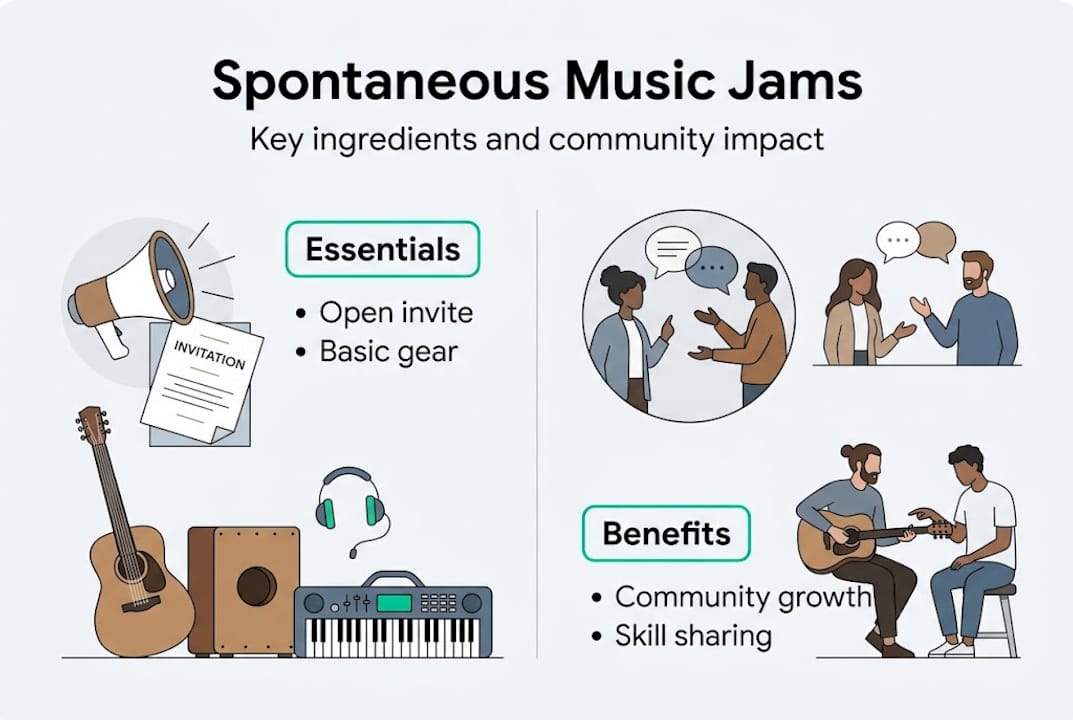
Communities with active jam cultures also tend to have stronger local music scenes overall. More events. More venues willing to book original music. More collaboration across genres that might not otherwise intersect. The benefits of organizing gatherings extend to everyone in the ecosystem, not just the participants.
If you have been holding back because you do not feel ready, here is the truth: nobody ever feels fully ready. The musicians who grow fastest are the ones who show up anyway.
A fresh perspective on music spontaneity
Most guides about jam sessions focus heavily on logistics, what to bring, where to go, how to tune up fast. That information matters. But it misses the most important ingredient: willingness to be imperfect in front of other people.
The real barrier to joining spontaneous gatherings is not lack of gear or lack of skill. It is the fear of being exposed. Of playing something wrong. Of not knowing the changes. Every working musician has felt that, including professionals with decades of experience.
Here is what actually happens at great jams: someone plays the wrong chord, laughs about it, and the whole room relaxes. That moment of vulnerability is the door that lets real creativity walk in. The "mistakes" are often where the most interesting musical ideas come from.
Personal growth through jams is not about perfecting your technique. It is about learning to trust the moment. Spontaneity is not a risk to manage. It is the whole point.
Challenge yourself to reframe what a "good" jam means. If you learned something new, connected with another musician, or simply enjoyed playing, that session was a success. Full stop.
Connect, create, and share with JamClub
Ready to put these insights into practice? JamClub was built exactly for this. Whether you are searching for a spontaneous session happening tonight or ready to host your first gathering, the platform connects you with musicians in your area instantly and for free.
With JamClub platform features like real-time messaging, RSVP management, and location-based discovery, finding your next musical moment has never been simpler. You can report your jam session to grow attendance or create a new jam and invite the local musician community to join you. Every great scene started with someone willing to say, "Let's play." That someone can be you.
Frequently asked questions
What is the best way to find a spontaneous jam session near me?
Check local cafes, event boards, and music apps like JamClub for the latest informal gatherings. Local jams are easier to discover than ever thanks to technology and active music communities.
Do I need to bring my own instrument to a spontaneous jam?
Most jams expect you to bring your own instrument and basic gear, unless the host states otherwise. Musicians should always bring essential tools to avoid depending on what is available on-site.
How can I host my first spontaneous music gathering?
Choose a casual location, invite open-minded musicians, and keep plans simple to encourage participation. Simple planning helps create successful impromptu music events without overwhelming first-time hosts.
What if I'm nervous about joining a jam with strangers?
Remember, most musicians value inclusion and collaboration, so approach with openness and respect. Respect and community support are fundamental to positive jam experiences at every skill level.