
TL;DR:
- Collaboration through jam sessions enhances creativity, improvisation skills, and confidence for all skill levels.
- Group music-making fosters social bonds, emotional connection, and cognitive benefits like improved memory.
- Balancing cooperation and creative tension in sessions sparks innovation and deepens musical growth.
Most musicians know the feeling: you've been practicing alone for weeks, and something still feels stuck. The ideas circle the same grooves, the playing feels technically solid but emotionally flat, and the spark that made music exciting seems just out of reach. Working in isolation is one of the biggest creative traps a musician can fall into. Collaboration, especially through jam sessions and group improvisation, breaks that cycle in ways solo practice simply cannot. The science backs it up, and so does the experience of countless players who found their voice by playing alongside others.
Table of Contents
- How collaboration boosts creativity and musicianship
- Emotional and social connection through group sessions
- Cognitive and psychological advantages of music collaboration
- Balancing cooperation and creative tension in collaboration
- Our perspective: What most musicians miss about collaboration
- Get started: Find your next jam session today
- Frequently asked questions
Key Takeaways
| Point | Details |
|---|---|
| Creativity and growth | Musician collaboration unlocks new creative ideas, skill development, and increases musical confidence. |
| Stronger connections | Group music sessions build emotional bonds and community, welcoming all skill levels. |
| Cognitive benefits | Regular group music-making improves memory and mental vitality, even for beginners. |
| Creative tension | Balanced cooperation and creative friction fuel musical innovation and deeper collaboration. |
How collaboration boosts creativity and musicianship
With the stage set, let's explore the core ways musician collaboration accelerates growth and creativity.
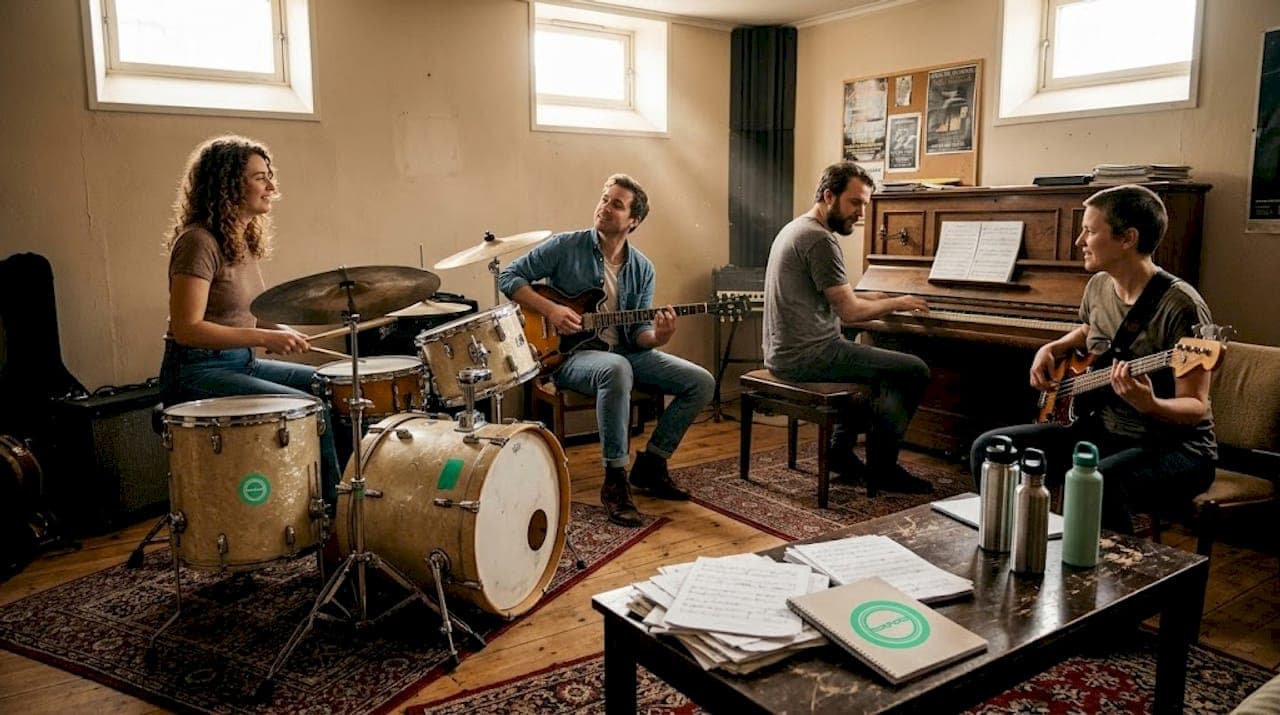
When you walk into a room and start playing with other musicians, something shifts. Ideas you'd never generate alone surface quickly because you're responding in real time, adjusting to what someone else is doing, and building on unexpected directions. Group improvisation operates like a creative pressure cooker: the need to respond keeps you out of your head and into the music.
Regular jam sessions enhance improvisational skills, listening, peer feedback, creativity, confidence, and repertoire for musicians across all skill levels. That's not a narrow benefit for advanced players. It applies to someone picking up a guitar for the first time and someone who's played for twenty years.
There's also something happening neurologically. Research shows that improvisatory performance modes affect multiscale synchronization between performers and audience, with freer approaches predicting enhanced music experience perception. In simpler terms: when you let go and improvise, both you and your audience feel it more deeply.
Here's what regular collaborative playing tends to unlock:
- Faster ear training: You hear chord changes, rhythmic shifts, and melodic cues more accurately when you must respond to them live.
- Adaptability: Every musician you play with has a different style, which forces you to stretch your vocabulary.
- Confidence: Risk-taking in a low-pressure group environment builds the courage to try ideas you'd self-censor alone.
- Repertoire expansion: Other musicians bring songs, styles, and genres you wouldn't explore solo.
"The jam session is the musician's classroom, laboratory, and gym all at once."
Pro Tip: Before joining an unfamiliar group session, spend ten minutes listening to what others are playing. Matching the energy of the room before you add your voice is one of the fastest ways to earn musical trust.
Exploring different jam session types helps you find the format that matches your current goals, whether that's structured blues jams, open improv circles, or genre-specific meetups. And if you want to host your own, understanding the fundamentals of planning vibrant jam sessions makes a real difference in getting people to show up and come back.
Emotional and social connection through group sessions
Beyond skill development, collaboration brings transformational social benefits.
Music has always been a social act. Long before recording technology existed, music happened in rooms full of people making sound together. Something in that shared experience reaches deeper than technical exchange.
Group musical improvisation fosters shared flow and emotional synchrony, enhancing social connection and group cohesion for both musicians and non-musicians. That last part matters: you don't need to be skilled to feel the connection. The experience of making music together bonds people regardless of their level.
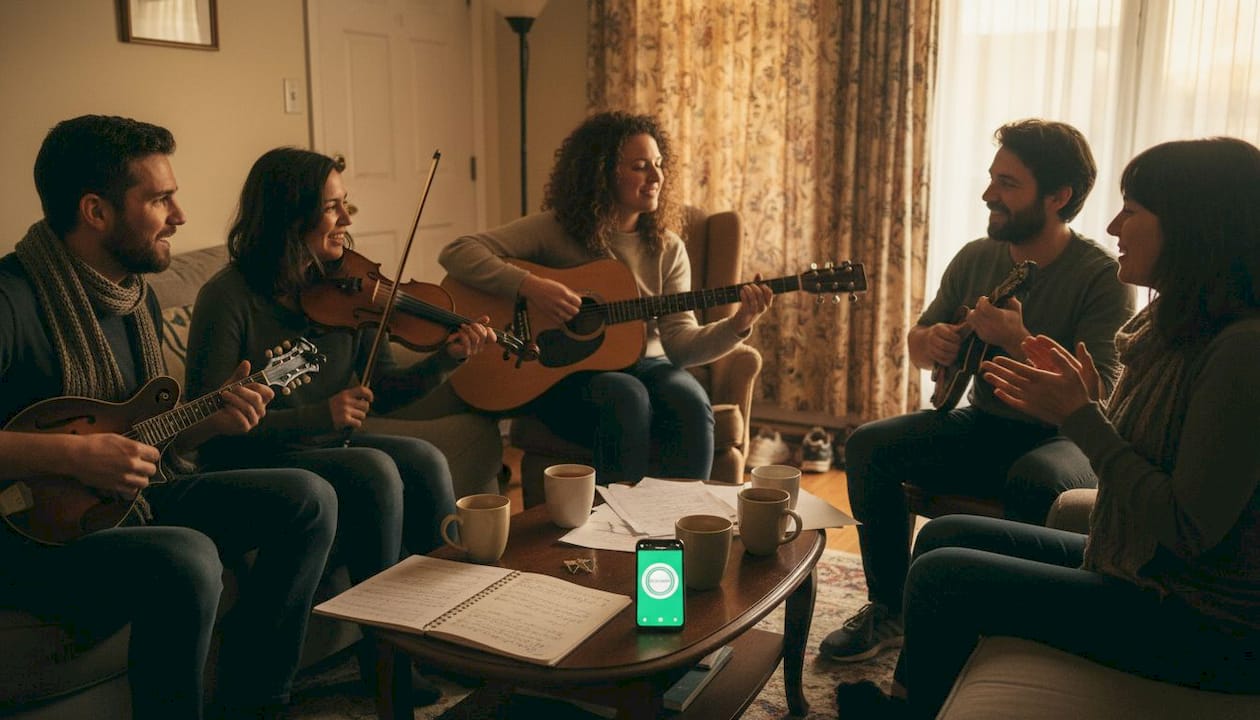
This emotional synchrony creates what psychologists call a "flow state," where time distorts, self-consciousness drops, and focus becomes effortless. Flow is notoriously hard to access alone, but group settings seem to invite it more naturally.
What this looks like in real group sessions:
- Players finish each other's musical phrases without planning to.
- Strangers laugh at the same musical moment they all felt.
- A group that played poorly at first suddenly locks in and sounds like a unit.
- People exchange contact information after sessions they intended to just observe.
These moments are not accidents. They're the natural output of shared musical attention.
Organizing music gatherings for community isn't just about entertainment; it's about building the kind of consistent social infrastructure that keeps musicians engaged and motivated over time. And if you're newer to the scene, actively building music connections through session attendance is one of the most direct paths to finding your people.
Statistic: Research confirms that group musical improvisation enhances cohesion and connection across skill levels, meaning beginners and experts share similar emotional gains in group settings.
Cognitive and psychological advantages of music collaboration
The social and creative effects are matched by cognitive and mental health benefits.
Here's a benefit most musicians don't talk about: playing together regularly makes your brain work better. Not just musically. Cognitively, across areas that affect daily thinking, memory, and resilience.
Group music sessions improve cognitive functions and psychological vigor in healthy adults. Improvements appear even among beginners after consistent weekly participation, which means you don't need years of experience to start seeing mental benefits.
Here's a breakdown of the cognitive gains most commonly linked to regular group music-making:
| Cognitive area | Effect of group music sessions |
|---|---|
| Memory recall | Improved short and long-term retention |
| Cognitive flexibility | Better adaptation to new information and tasks |
| Mental energy (vigor) | Reduced fatigue, higher alertness |
| Focus and attention | Stronger sustained concentration |
| Psychological well-being | Lower feelings of isolation and anxiety |
These aren't subtle effects. Studies tracking participants over 16 weekly group sessions showed measurable improvements in memory and mental sharpness. That's roughly one session per week for four months, a realistic commitment for most musicians.
How to maximize cognitive benefits from your jam sessions:
- Attend consistently rather than sporadically. The cumulative effect matters more than any single session.
- Play with musicians outside your usual circle to keep your brain processing new inputs.
- Volunteer to lead or organize a section, since taking responsibility accelerates engagement.
- Reflect briefly after each session on what surprised you musically.
Pro Tip: If you're organizing a regular group session, use a successful jam session checklist to keep the structure tight. A well-run session holds attention longer and leads to better musical and cognitive outcomes for everyone involved.
Reducing isolation is one of the underrated benefits here. Many musicians, especially those who practice primarily at home, carry a quiet sense of disconnection. Regular group sessions interrupt that pattern in a meaningful way.
Balancing cooperation and creative tension in collaboration
Musical collaboration is not just about harmony; creative tension also plays a crucial role.
Most musicians assume collaboration means agreement. You find a common groove, stay in key, support each other, and blend. That's one mode of collaboration, and it works well. But limiting yourself to only harmonious cooperation leaves significant creative potential untouched.
Research on free improvisation shows that interactional dissensus in duos (playing with, against, or independently of a partner) is actually higher with co-presence and familiarity. Meaning: musicians who know each other and play in person are more likely to push against each other creatively, not less.
This is counterintuitive. You might expect familiarity to produce comfort and comfort to produce agreement. But experienced collaborators use their trust to take more risks, including the risk of musical friction.
Cooperation vs. creative tension: how they differ in practice
| Mode | What it sounds like | When it works best |
|---|---|---|
| Cooperation | Locking into shared rhythm and melody | Building groove, ensemble cohesion |
| Creative tension | Playing against the pulse, unexpected shifts | Breaking predictability, sparking new ideas |
| Independence | Each player following their own line | Textural layering, experimental pieces |
The best collaborative sessions move fluidly between all three. Pure cooperation can feel safe but stale. Pure tension becomes noise. The interesting space is in the navigation between them.
Key practices for healthy creative friction in group settings:
- Establish trust before introducing friction. Push against a collaborator you respect, not a stranger.
- Name the experiment: tell the group you're going to try something unusual before you do it.
- Debrief afterward. What worked? What felt wrong? Both answers are useful.
- Rotate who leads musical decisions so no single player dominates the direction.
Learning about music group types and tips helps you identify which format naturally encourages the kind of creative dynamic you're looking for.
Our perspective: What most musicians miss about collaboration
With the facts established, here's our unique take on the future-facing power of collaboration.
Most musicians approach collaboration looking for confirmation: someone to lock in with, validate their style, and make the experience feel smooth. That's understandable, but it means they're leaving the most transformative part of collaboration on the table.
Intentional friction, the kind that comes from playing against someone you trust, is where genuine musical growth happens. Harmony is comfortable. Friction is instructive.
There's also a persistent myth that collaboration requires a certain level of ability before you qualify. It doesn't. Music improvisation rewires brain networks in real time, shifting from executive control in structured play to sensory-motor and salience networks in free improvisation, and this happens across all skill levels. Your brain doesn't care if you've been playing for three months or thirty years. The neuroplasticity benefit kicks in regardless.
What this means practically: novices who show up and let go gain cognitive and creative benefits that beginners who wait until they're "ready" never access. Collaboration is not the reward for getting good. It's part of how you get good.
We believe the most important shift musicians can make is treating every jam session as musical networking and real-time brain training simultaneously. The two aren't separate.
Get started: Find your next jam session today
Ready to transform your music journey? Here's how you can take action.
The evidence is clear and the opportunity is open to every musician, regardless of genre, instrument, or skill level. Collaboration builds creativity, deepens social bonds, sharpens cognitive function, and pushes your playing into territory you can't reach alone. The only variable is whether you take the first step.
With JamClub, you can find or create jam sessions near you in minutes. Whether you want to drop into an existing session or host your own with full RSVP management and real-time messaging, the tools are already there. You don't need to wait for the perfect setup. Join the JamClub community and start playing with people who are as serious about music and growth as you are. The next great collaboration might be one session away.
Frequently asked questions
What are the main benefits of musician collaboration?
Collaboration improves creativity, technical skills, emotional well-being, and builds strong community connections. Group improvisation fosters shared flow and emotional synchrony across all skill levels.
How can beginners join a music collaboration or jam session?
Many community jam sessions welcome all skill levels, so start by searching for open sessions or using music community apps like JamClub. Research confirms that non-musicians experience similar shared flow and connection as experts during group improvisation.
Are there cognitive benefits to regular music group sessions?
Yes, research shows improved memory, mental energy, and cognitive function from consistent group music-making. Significant improvements in memory and cognitive scores appear after just 16 weekly sessions.
Does creative friction help or hurt group improvisation?
Balanced friction can spark innovation and richer musical results, especially among familiar collaborators. Interactional dissensus between players balances cooperation and creativity in ways that pure harmony alone cannot achieve.