
TL;DR:
- Effective collaboration requires clear goals, roles, and agreements like split sheets to prevent conflicts.
- Technology such as cloud DAWs and real-time platforms facilitate remote music making and workflow habits matter.
- Successful projects are built on shared vision and preparation, not solely on musicians' talent or skill.
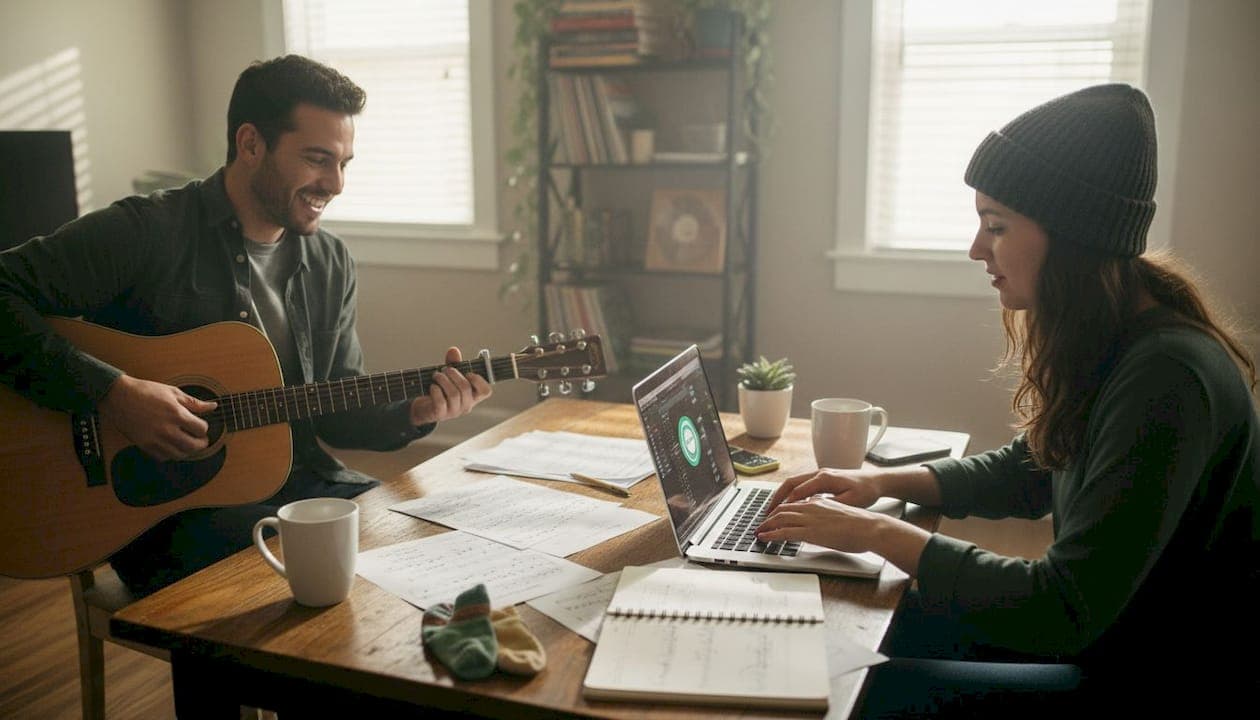
Finding fresh, rewarding ways to collaborate is one of the biggest creative challenges musicians face today. Whether you play guitar in a bedroom studio or front a band at local venues, the right collaboration can transform your sound, grow your audience, and reignite your passion for music. 75% of collaborating artists saw at least a 10% increase in Spotify streams within six months. That kind of momentum does not happen by accident. This guide walks you through goal setting, tools, session ideas, and real solutions to the obstacles that slow most collaborations down.
Table of Contents
- Set goals and choose your collaboration type
- Remote and real-time collaboration platforms and workflows
- Creative jam session ideas for any skill level
- Navigating challenges: Communication, commitment, and creativity
- A fresh take: Why chemistry and prep matter more than pure talent
- Take your collaboration further with JamClub
- Frequently asked questions
Key Takeaways
| Point | Details |
|---|---|
| Define goals first | Start music collaborations by setting creative goals and outlining everyone’s roles for best results. |
| Leverage tech platforms | Use remote collaboration tools and cloud DAWs to connect with musicians everywhere, regardless of skill or location. |
| Jam sessions boost skills | Organizing or joining jam sessions is the fastest, most enjoyable way to improve improvisation and teamwork. |
| Solve challenges early | Communicate, document agreements, and address creative or scheduling issues to prevent collaboration breakdown. |
Set goals and choose your collaboration type
Starting from the need to collaborate, choosing your collaboration style can make your projects run smoother and more creatively. Before you reach out to another musician, get clear on what you actually want to build together. A one-off single is very different from a recurring songwriting partnership, and both require different levels of commitment and communication.
Here are the most common collaboration formats to consider:
- One-off singles or features: Low commitment, great for testing chemistry
- Recurring creative partnerships: Ongoing projects that build a shared sound over time
- Songwriting camps: Intensive sessions where multiple writers work toward a batch of songs
- Jam sessions: Live or virtual gatherings focused on improvisation and spontaneous creativity
- Producer-vocalist pairings: One person handles beats and arrangement, the other brings melody and lyrics
Each format works best when both parties agree on roles from the start. Think about creative vision, genre compatibility, reliability, and logistics before committing. A producer who loves lo-fi hip-hop and a vocalist who wants stadium pop may clash unless they set clear expectations early.
Feature exchanges and co-writing deals are popular because they let both artists grow their audiences simultaneously. But defining project goals and using contracts up front, including split sheets, is what separates smooth collaborations from messy ones.
"A split sheet is not just paperwork. It is the foundation of trust between collaborators."
Pro Tip: Even for casual projects, write down who owns what percentage of the song and who gets credited where. A simple split sheet takes ten minutes and prevents years of conflict.
Exploring different jam session types before you commit to a format can also help you figure out which environment brings out your best playing.
Remote and real-time collaboration platforms and workflows
With your collaboration goal and structure clear, it is time to pick the right platforms and workflows. Technology has made it easier than ever to create music with someone on the other side of the world, and the options keep improving.
Cloud-based digital audio workstations (DAWs) like BandLab and Soundtrap are excellent starting points for beginners. They run in a browser, require no expensive hardware, and let multiple people work on the same project simultaneously. For more advanced setups, platforms like JamKazam and SonoBus allow real-time audio jamming with low latency, meaning you can actually play together live over the internet.
Here is a quick breakdown of popular tools by use case:
| Tool | Best for | Cost |
|---|---|---|
| BandLab | Beginner cloud DAW | Free |
| Soundtrap | Beginner/intermediate DAW | Free/Paid |
| JamKazam | Real-time live jamming | Free/Paid |
| SonoBus | Low-latency audio streaming | Free |
| Dropbox | Async file sharing | Free/Paid |
The music collaboration platforms market was valued at $3.8 billion in 2025 and is projected to reach $9.6 billion by 2034. That growth reflects how seriously musicians are investing in remote workflows. And 90% of professional musicians use asynchronous file exchanges for remote collaboration, meaning most pros are not jamming live online but swapping stems and sessions back and forth.
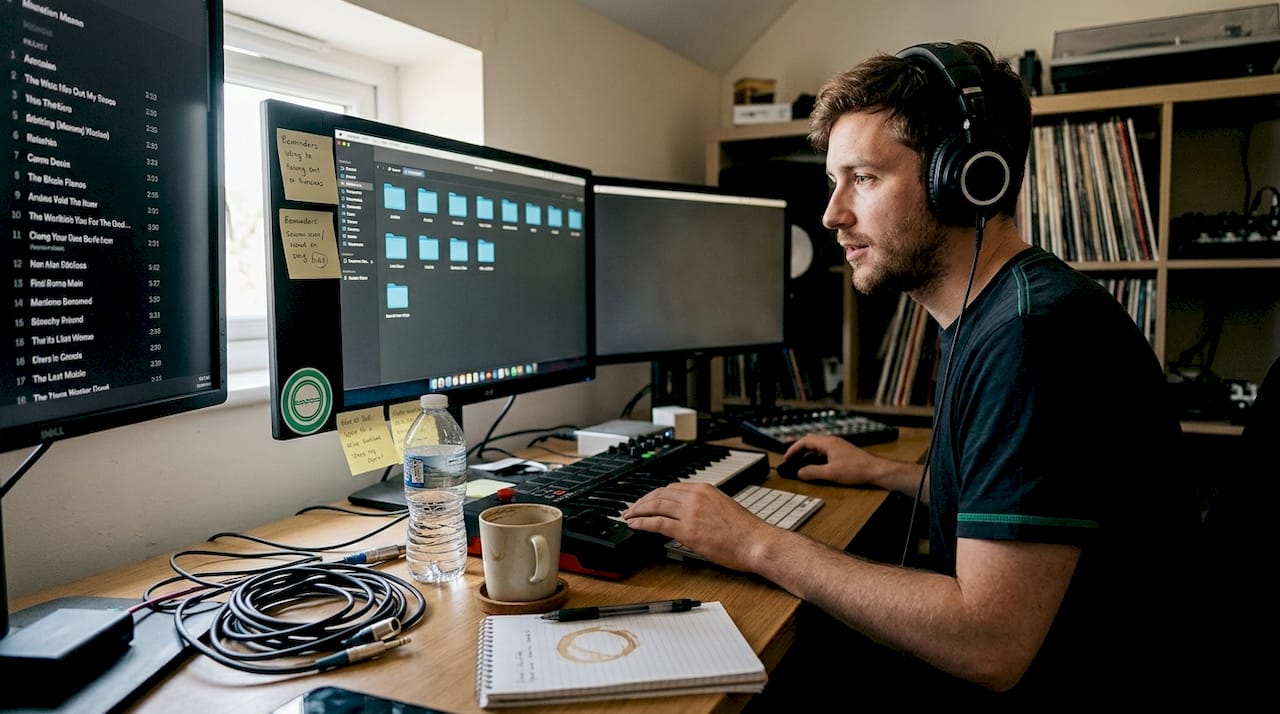
Workflow habits matter just as much as the tools you pick. Name your tracks clearly, use version control (save files as v1, v2, and so on), and schedule regular check-ins so the project keeps moving.
Pro Tip: Use a shared Google Calendar or a simple project management tool like Trello to track deadlines. Missed sessions kill momentum faster than creative differences.
For a deeper look at how technology is reshaping music making, check out this guide to digital collaboration tools and explore how music sharing platforms are building new creative communities.
Creative jam session ideas for any skill level
After exploring tech, let's dive into the collaborative heart of music: jam sessions you can try or organize, regardless of musician experience or location. The best sessions are not always the most polished. They are the ones where everyone feels free to experiment.
Jam sessions improve improvisation, listening, and teamwork for musicians at every level, from first-year students to touring professionals. Here are some formats worth trying:
- Improv circle: Everyone plays in a shared key, trading solos and supporting each other. No wrong notes, just listening and responding.
- Genre challenge night: Pick a genre none of you normally play and spend an hour trying to nail its feel. Country night for a jazz band is always memorable.
- Virtual relay: One musician records a loop or riff, sends it to the next person, who adds their layer and passes it on. Great for remote groups.
- Instrument swap: Guitarists try bass, drummers try keys. It builds empathy and often sparks unexpected ideas.
- Songwriter round-robin: Each person brings an unfinished song, and the group helps complete it in real time.
- Collaborative cover: Pick a song everyone loves and reimagine it together in a new style or arrangement.
"The magic of a great jam session is not in the notes you play. It is in how well you listen to everyone else."
For virtual sessions, Discord and Zoom both work well for coordination and chat. Keep sessions focused by agreeing on a theme or key beforehand, and rotate leaders to keep everyone engaged and invested.
For more practical advice, browse these jam session tips, get guidance on planning jam sessions, and use this checklist for successful jam sessions to keep things running smoothly.
Navigating challenges: Communication, commitment, and creativity
To make collaborations last and feel rewarding, it is essential to anticipate and manage common hurdles. Even the most talented musicians run into friction when working with others. Knowing what to expect makes it easier to handle.
The most common obstacles include:
- Creative differences: Disagreements about direction, sound, or arrangement
- Scheduling conflicts: Mismatched availability that stalls progress
- Unreliable partners: People who miss sessions or stop responding
- Unclear finances and credits: Disputes over who owns what and who gets paid
Here is a quick comparison to help you decide when solo versus collaborative work makes more sense:
| Factor | Solo project | Collaborative project |
|---|---|---|
| Creative control | Full | Shared |
| Speed | Faster | Slower but richer |
| Audience reach | Limited | Expanded |
| Accountability | Self-driven | Mutual |
| Financial complexity | Simple | Requires agreements |
Vetting collaborators by reviewing their portfolio, checking for red flags, and doing a video intro call before committing to a project saves a lot of headaches. Establish communication norms early: how often will you check in, which app will you use, and what happens if someone misses a deadline?
Pro Tip: Always use a split sheet or work-for-hire form for any joint project, even with close friends. Money and credit disputes are the number one reason creative partnerships fall apart.
Ending partnerships professionally matters too. If a collaboration is not working, say so clearly and kindly. Burning bridges in a music community is easy and costly.
For more on growing strong creative networks, read about building music community and the real value of organizing music gatherings.
A fresh take: Why chemistry and prep matter more than pure talent
With the practicalities in mind, let's step back and reframe what really makes music collaborations succeed or fail. Most musicians assume talent is the deciding factor. It is not.
The collaborations that produce the best music and last the longest are built on shared vision and good workflow habits, not raw skill. A technically brilliant guitarist who shows up unprepared and dismisses other people's ideas will derail a session faster than a beginner who listens well and comes with organized files.
Complementary skills and shared vision consistently outperform talent alone in collaborative settings. What this means in practice is that you should prioritize finding someone whose creative values align with yours over finding the most impressive resume.
Prep matters enormously. Musicians who name their tracks, share reference songs ahead of time, and communicate their ideas clearly before a session get more done and enjoy the process more. Collaboration is less about finding a star and more about building mutual respect. The best creative partnerships feel like conversations, not competitions. That shift in mindset is often the difference between a project that gets finished and one that quietly dies in someone's downloads folder.
Take your collaboration further with JamClub
Ready to put these ideas to work? JamClub is built exactly for this moment in your musical journey.
The JamClub platform connects musicians of all skill levels, helping you find collaborators, join existing sessions, or organize your own events with built-in RSVP management and real-time messaging. Whether you want to find musicians near you for an in-person jam or coordinate a virtual relay session with players across the country, JamClub makes the logistics simple. You can create a jam session in minutes and start building the kind of musical community that keeps creativity alive. Best of all, it is completely free to use.
Frequently asked questions
What is the best platform for remote music collaboration?
BandLab and Soundtrap are the most beginner-friendly options, while professionals often rely on Dropbox for file sharing and JamKazam for real-time audio sessions with higher quality.
How do musicians handle money and credits in collaborations?
Most musicians use split sheets and work-for-hire contracts to clarify ownership and payment. Setting these expectations up front prevents disputes before they start.
What are the main benefits of music collaboration?
Collaborations drive creative growth, introduce your music to new audiences, and boost streaming numbers significantly. 75% of collaborating artists see at least a 10% increase in Spotify streams, and 30% double theirs entirely.
How can I find reliable music collaborators?
Reviewing a collaborator's portfolio, doing a video intro call, and putting expectations in writing are the most effective ways to ensure you are working with someone dependable.